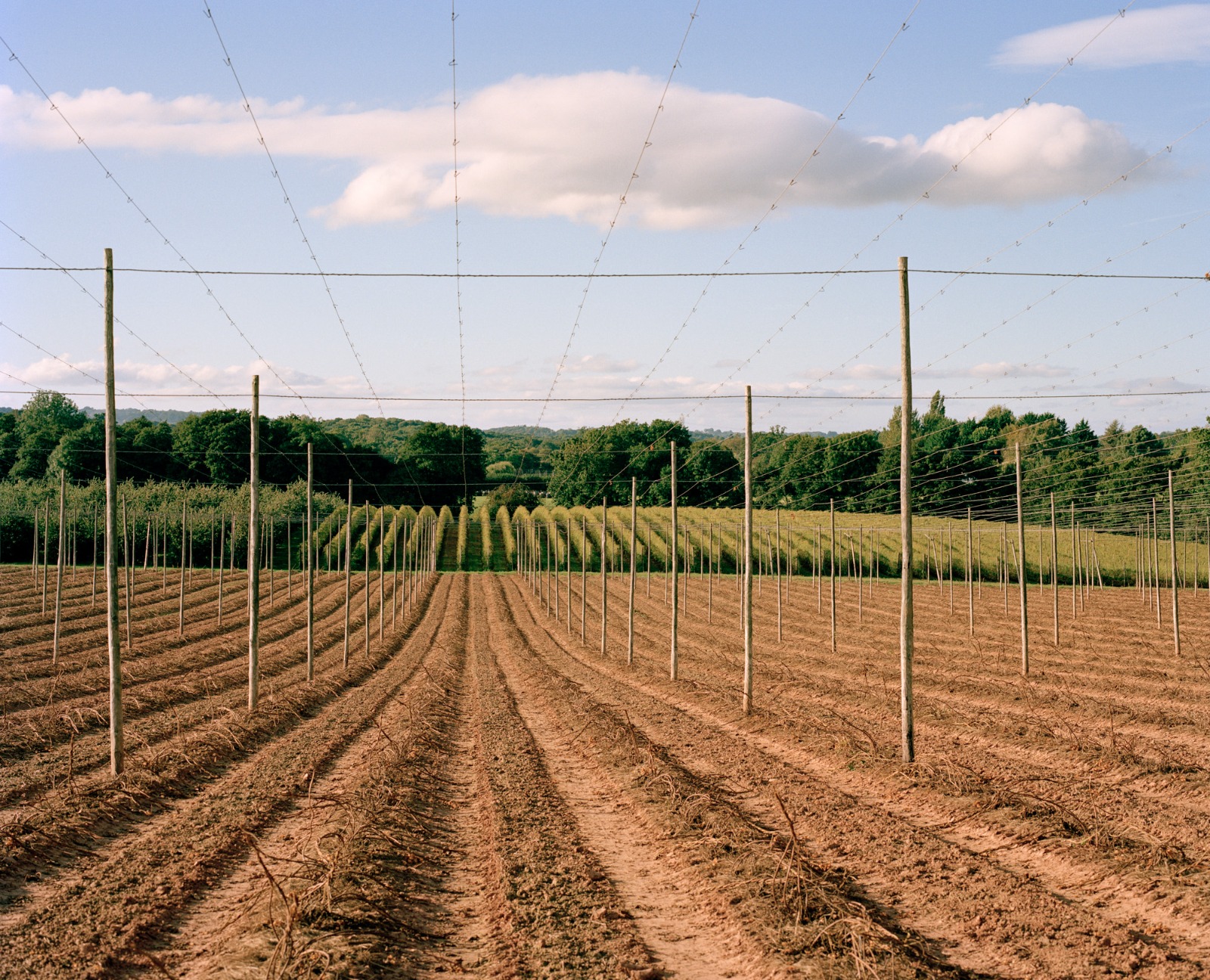
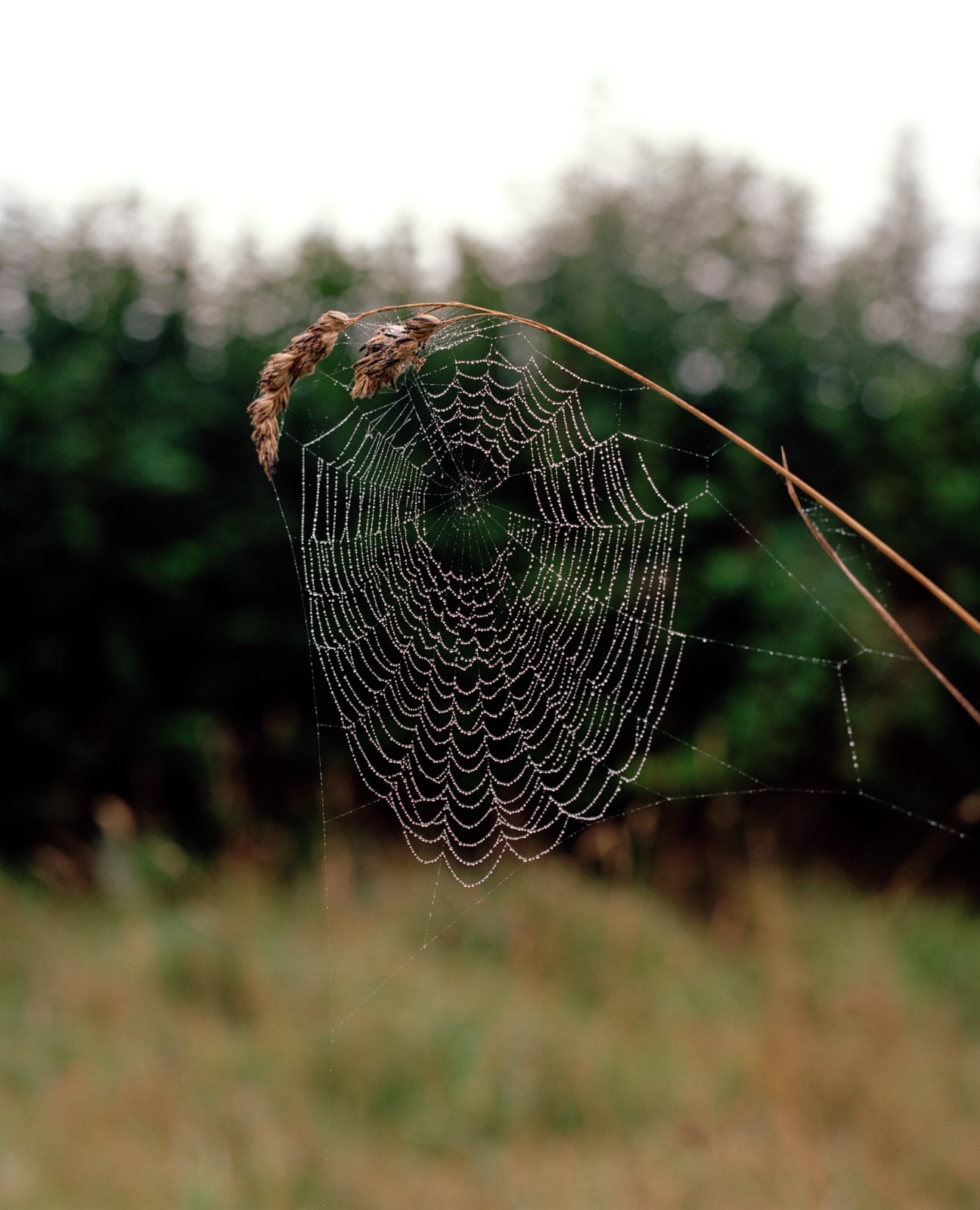
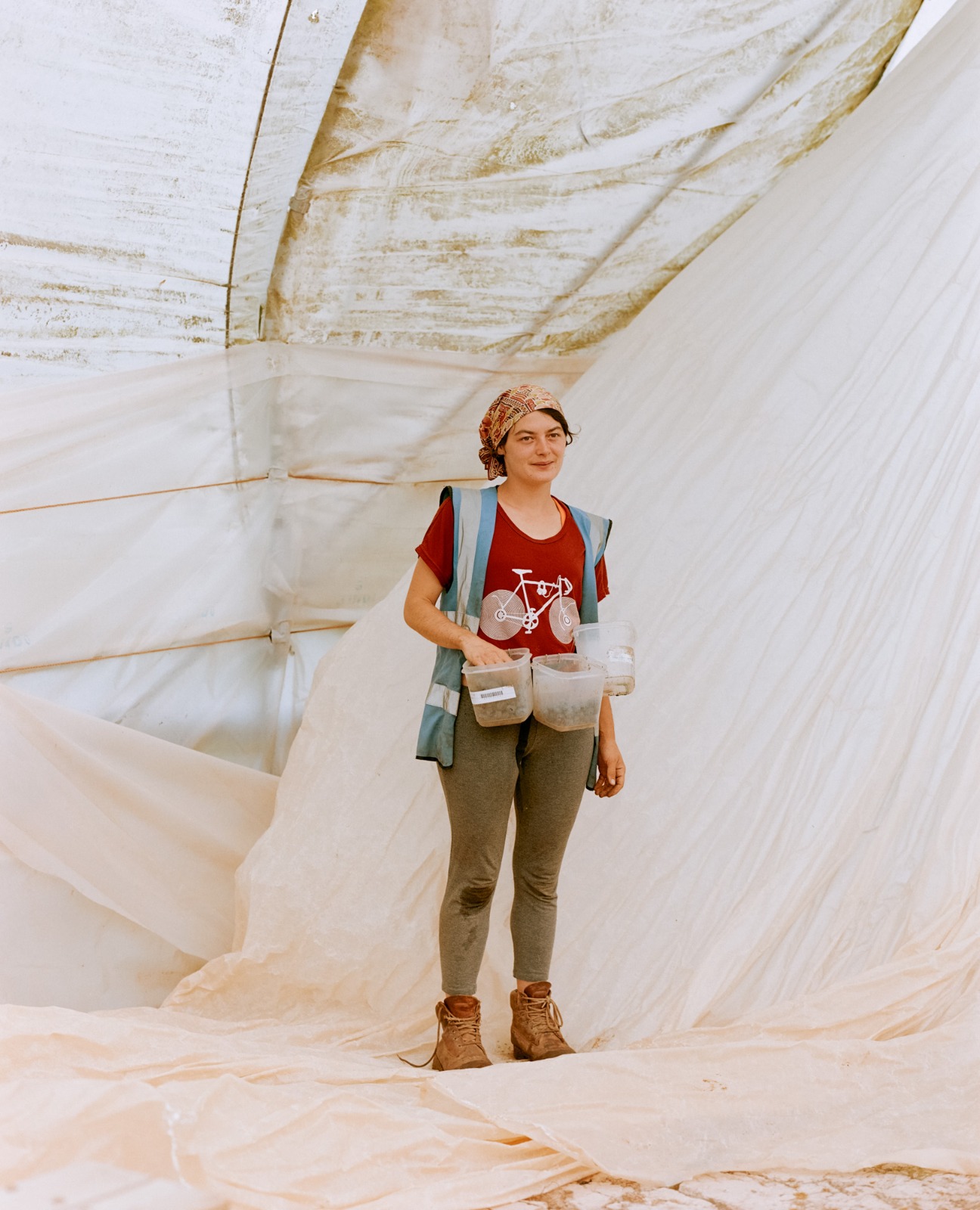
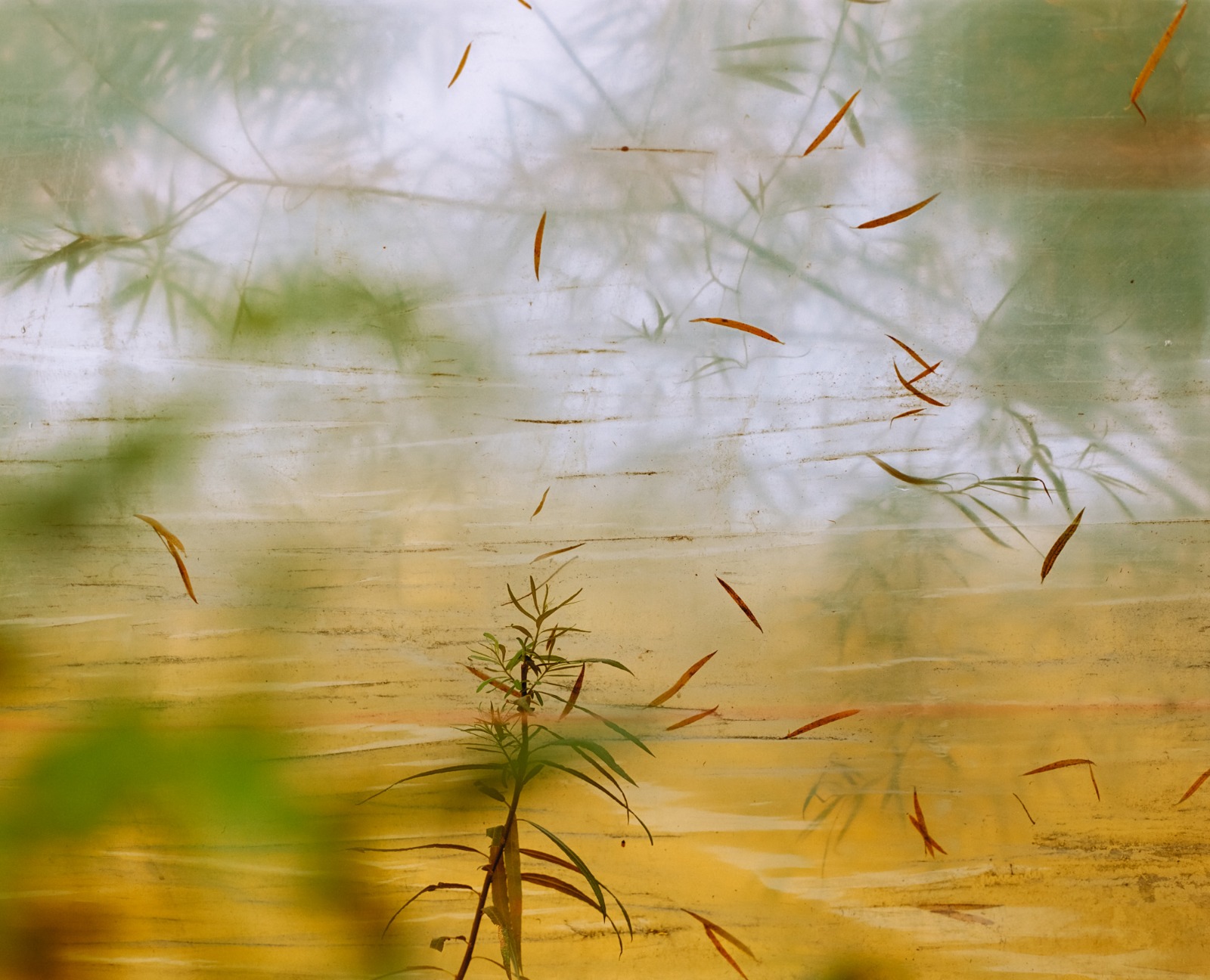
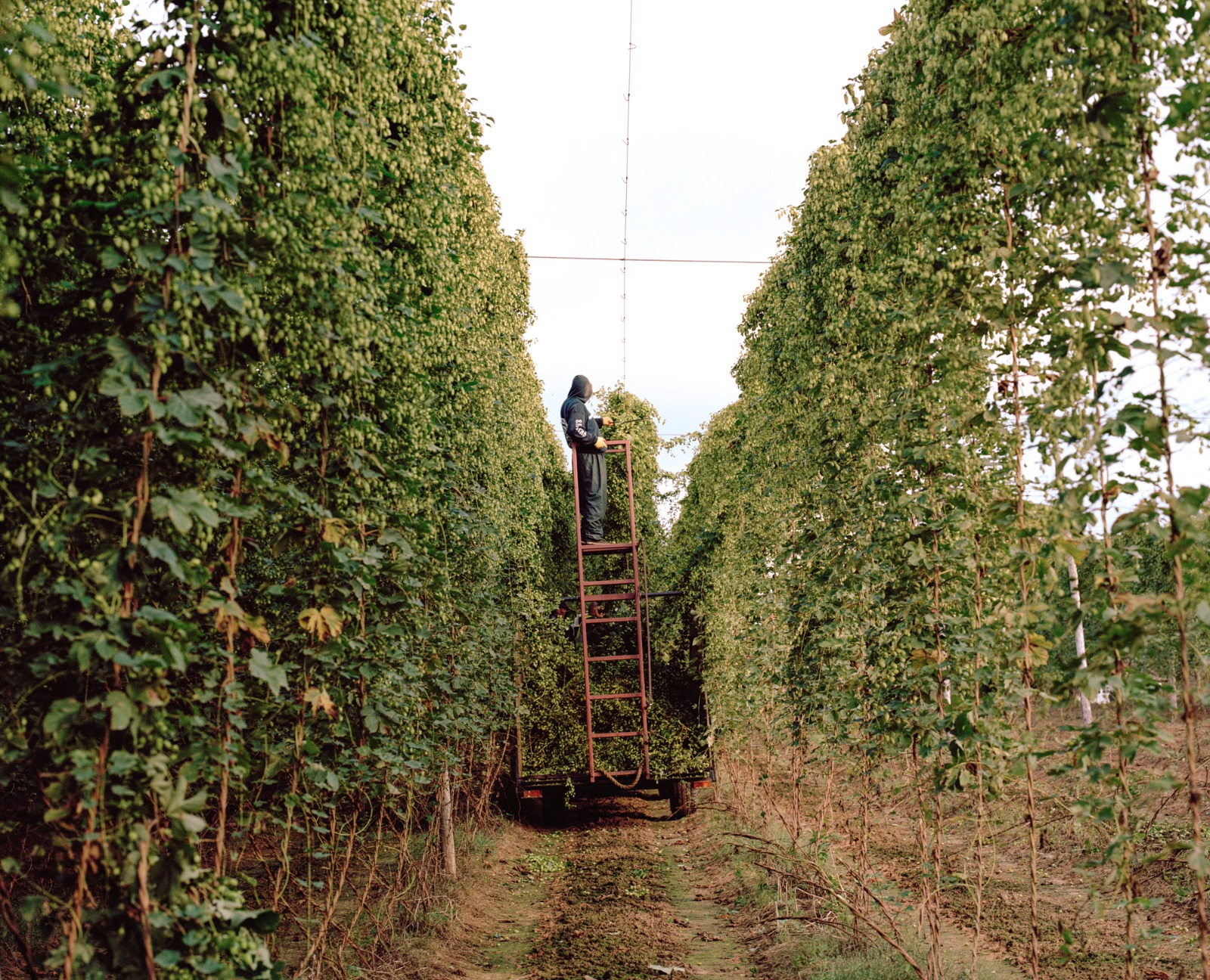
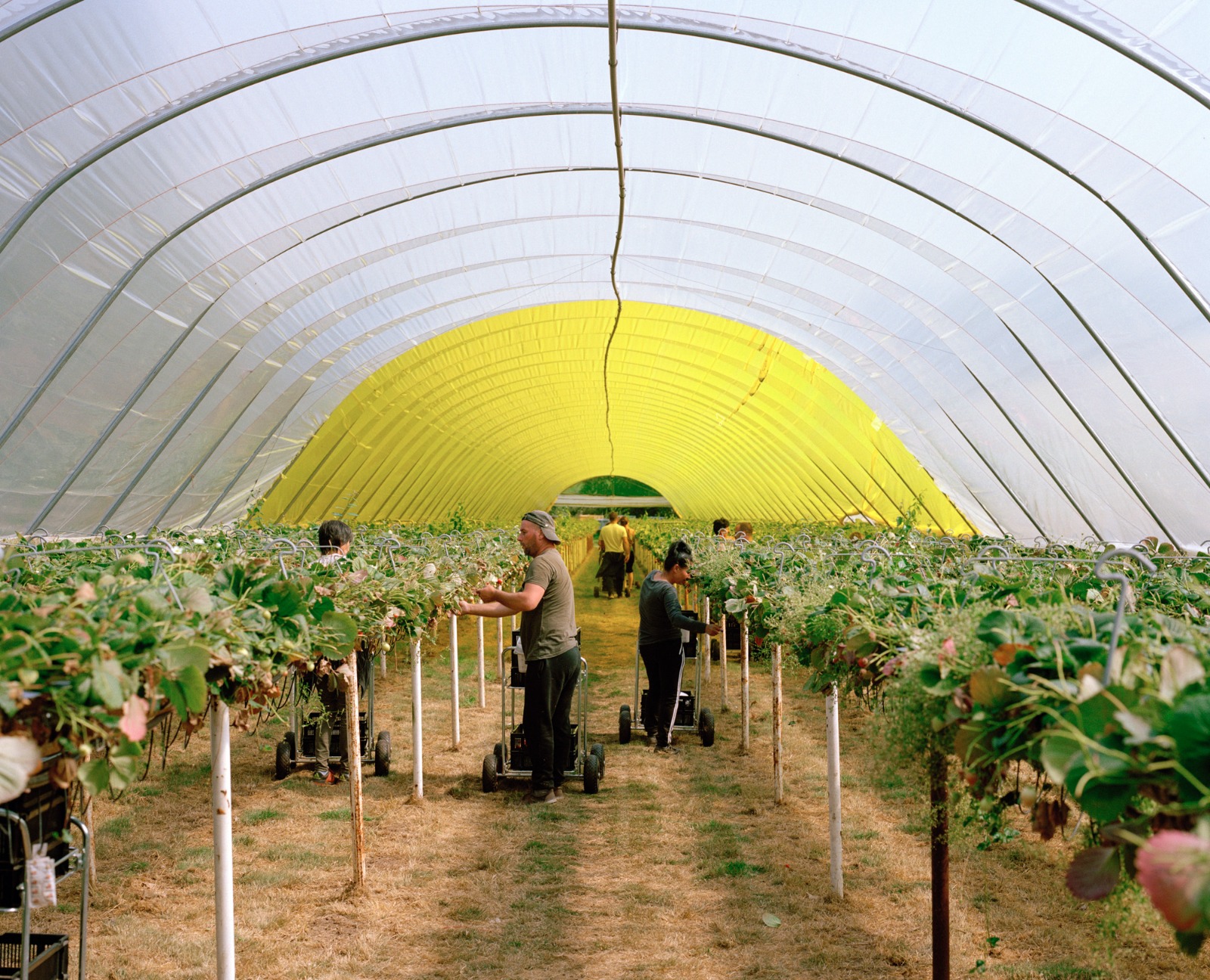
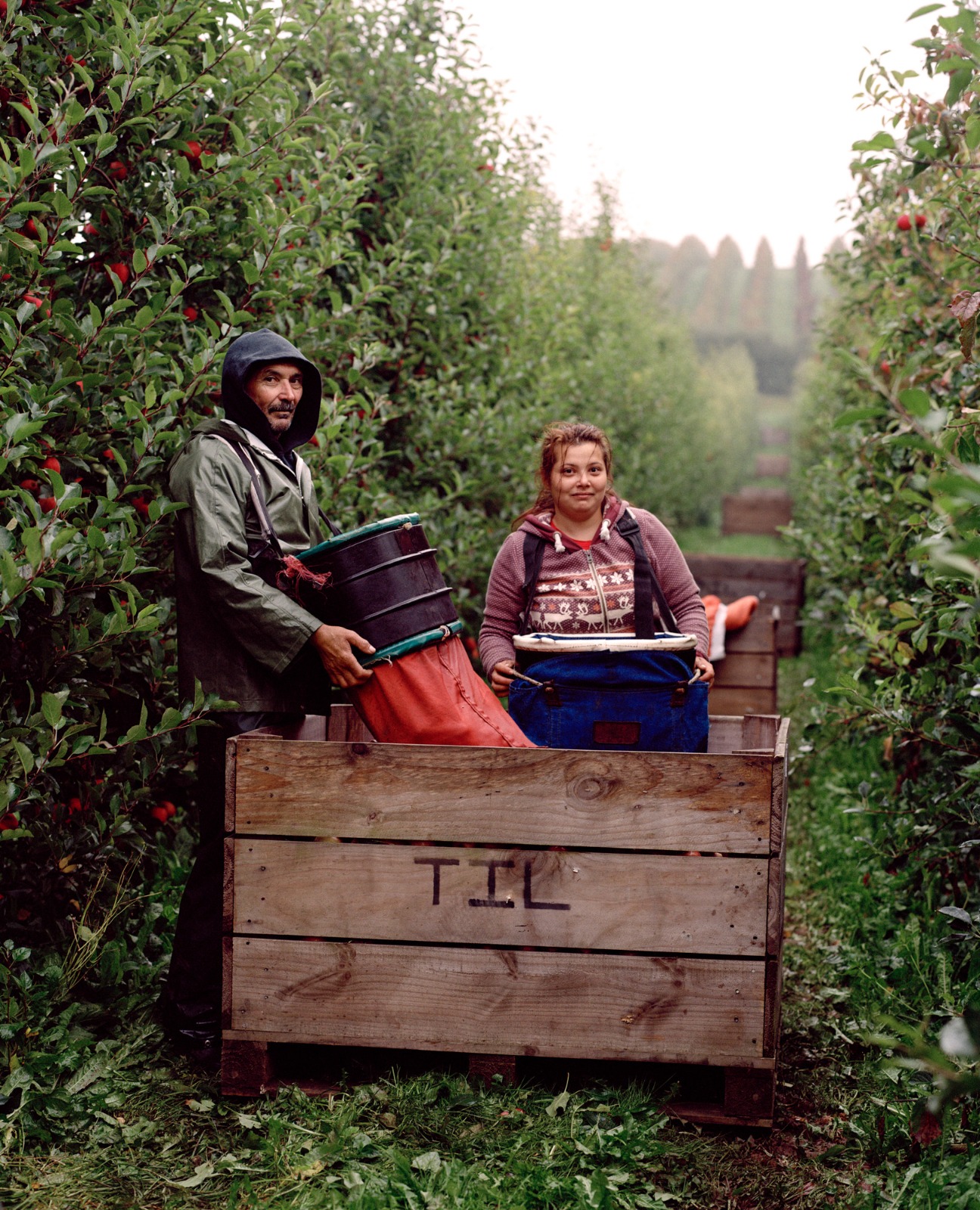
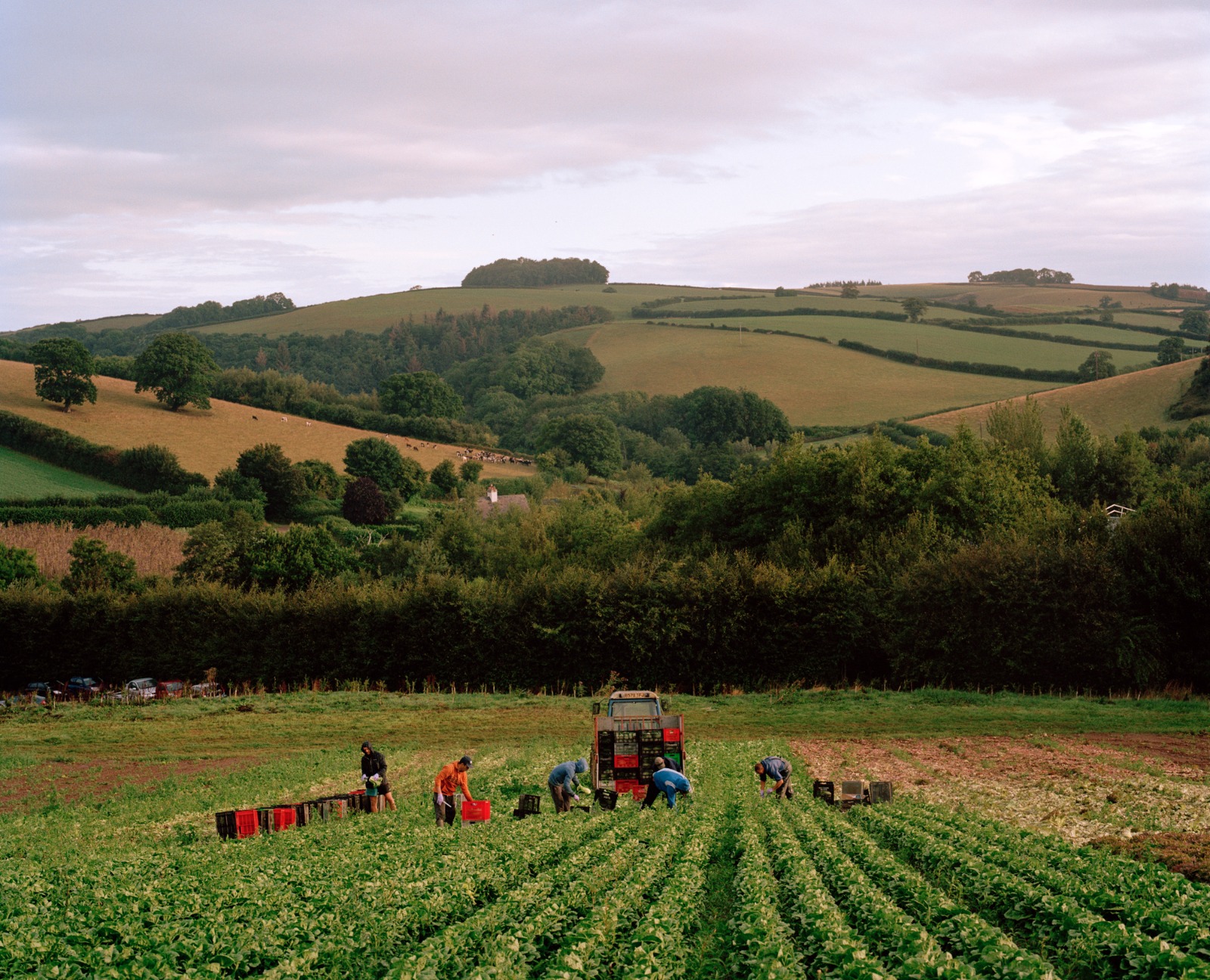
Dotted across fields of the Wye Valley and the foothills of the Malverns, dense avenues of fruit trees and hop bines dissect the gilded fields of wheat sown across the arable land. Elsewhere, the sun moves over swathes of translucent plastic; inside, rows of blueberries, raspberries and strawberries stretch as far as the eye can see. Waves of sound bounce against the polytunnels: indistinct voices, the tinny acoustics of Balkan music playing from a phone, the rustling of leaves and crates being stacked. Teams of people rush back and forth between plants and trucks, picking as they go. On the surface, harvest months in rural West Midlands appear bountiful and almost timeless, the epitome of a rural idyll.
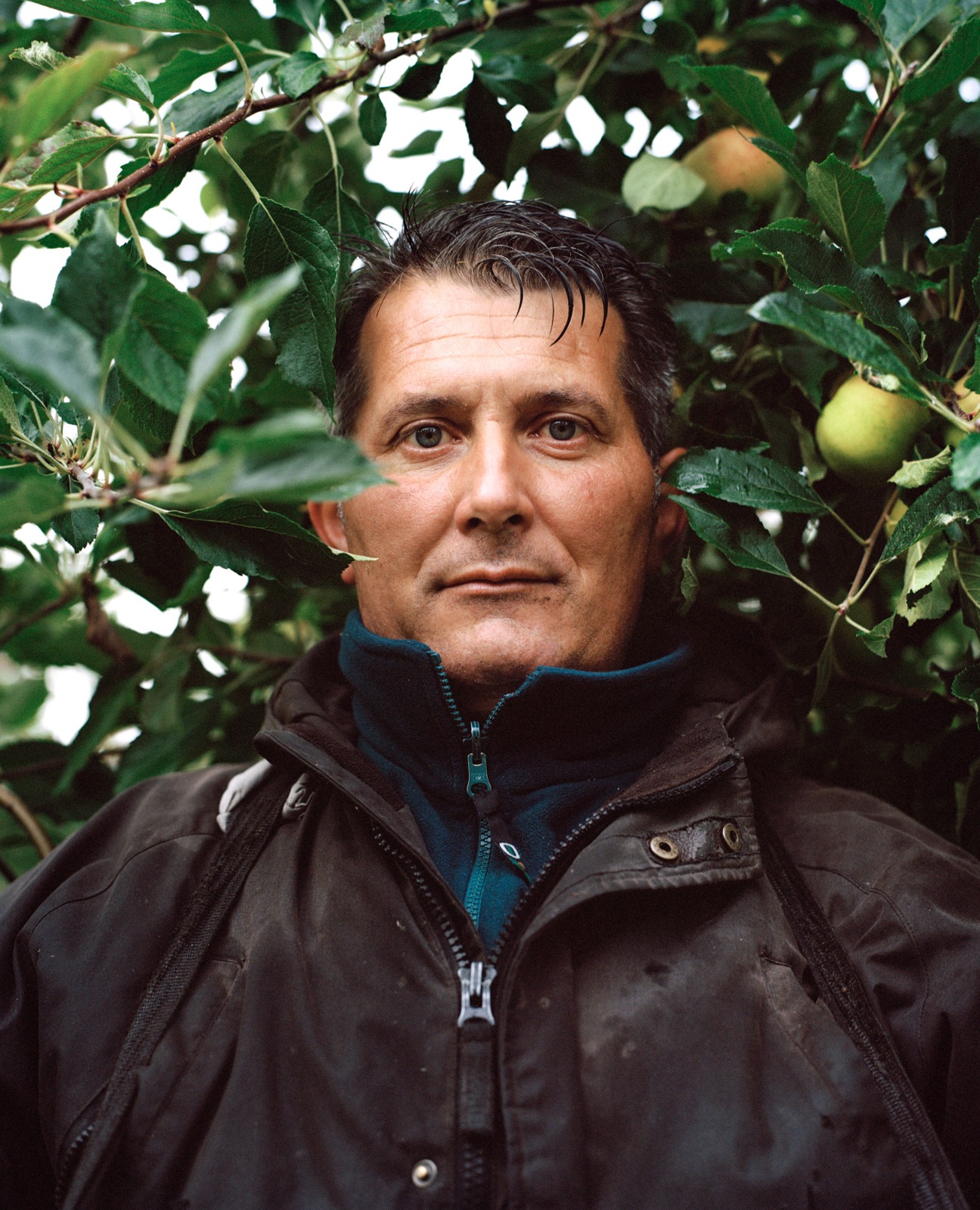
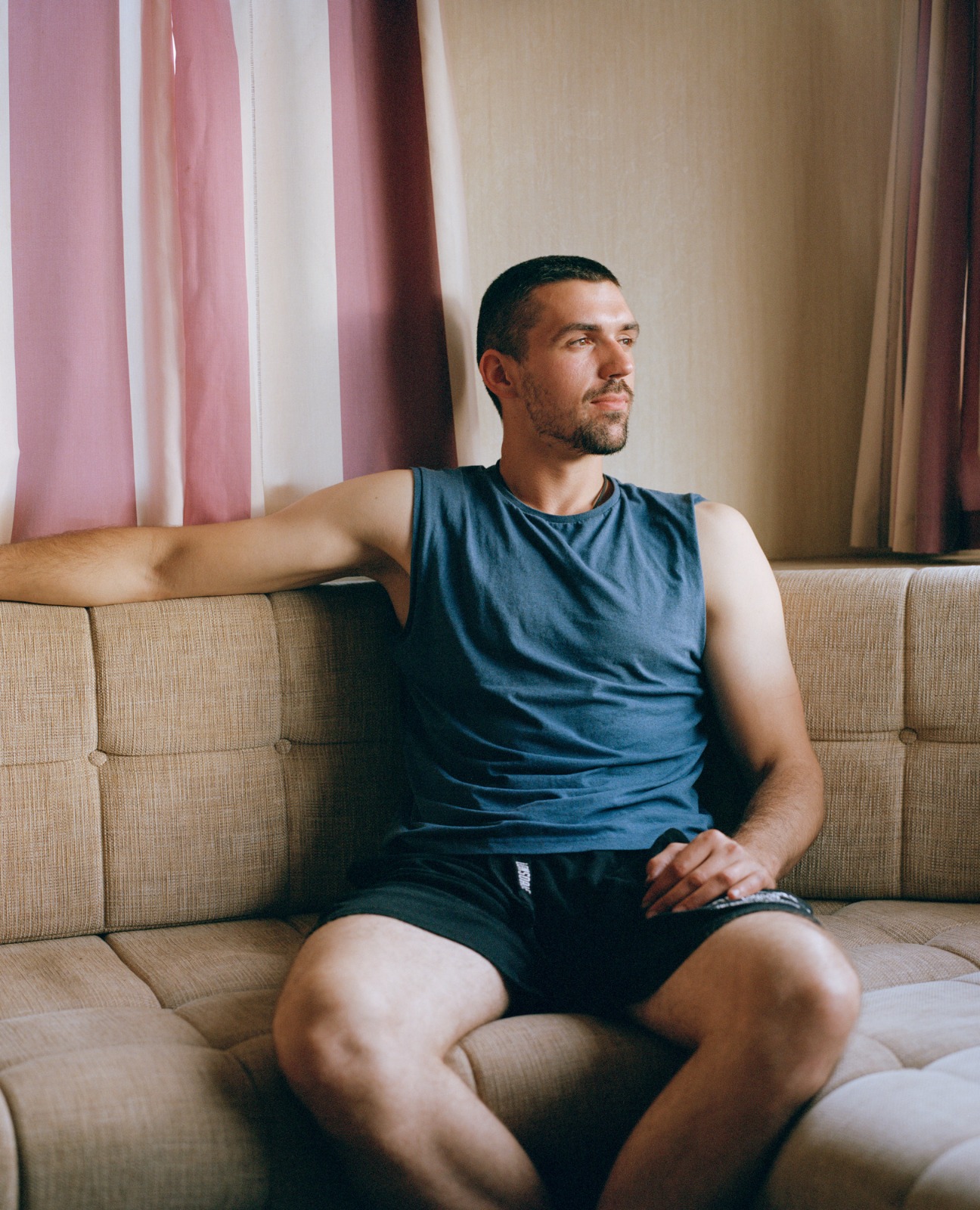
However, over the past few years, Brexit has provoked many uncertainties in the agricultural industry, revealing the uneasy relationship between the nation’s reliance on seasonal workers and growing English nationalism that often draws on nostalgia for the English pastoral, but which bears little resemblance to modern life. With 99% of seasonal staff in the UK coming from Europe, this project looks to celebrate some of the individuals that sustain an essential industry.
During this moment of political and environmental flux, our reliance on these hidden communities has been highlighted as farms become increasingly understaffed, with shortages of up to 30%. Last year, high-profile campaigns recalling WWII rhetoric for “a land army” to “pick for Britain” failed to reconnect the British public with the land or attract people to work in the fields.
As every industry turns towards new technology to raise productivity and profits, and with reduced incentives for seasonal farm work, it seems inevitable that mechanisation will replace one of the last aspects of commercial agriculture to be carried out by hand. Large farms are actively developing robotic picking systems with a view to using them in the next 5–10 years. This is an opportunity to reflect on a moment in time and contribute to the evolving story of an essential workforce living on the periphery of society.
Utilizziamo i cookie per essere sicuri che tu possa avere la migliore esperienza sul nostro sito. Se continui ad utilizzare questo sito noi assumiamo che tu ne sia felice.