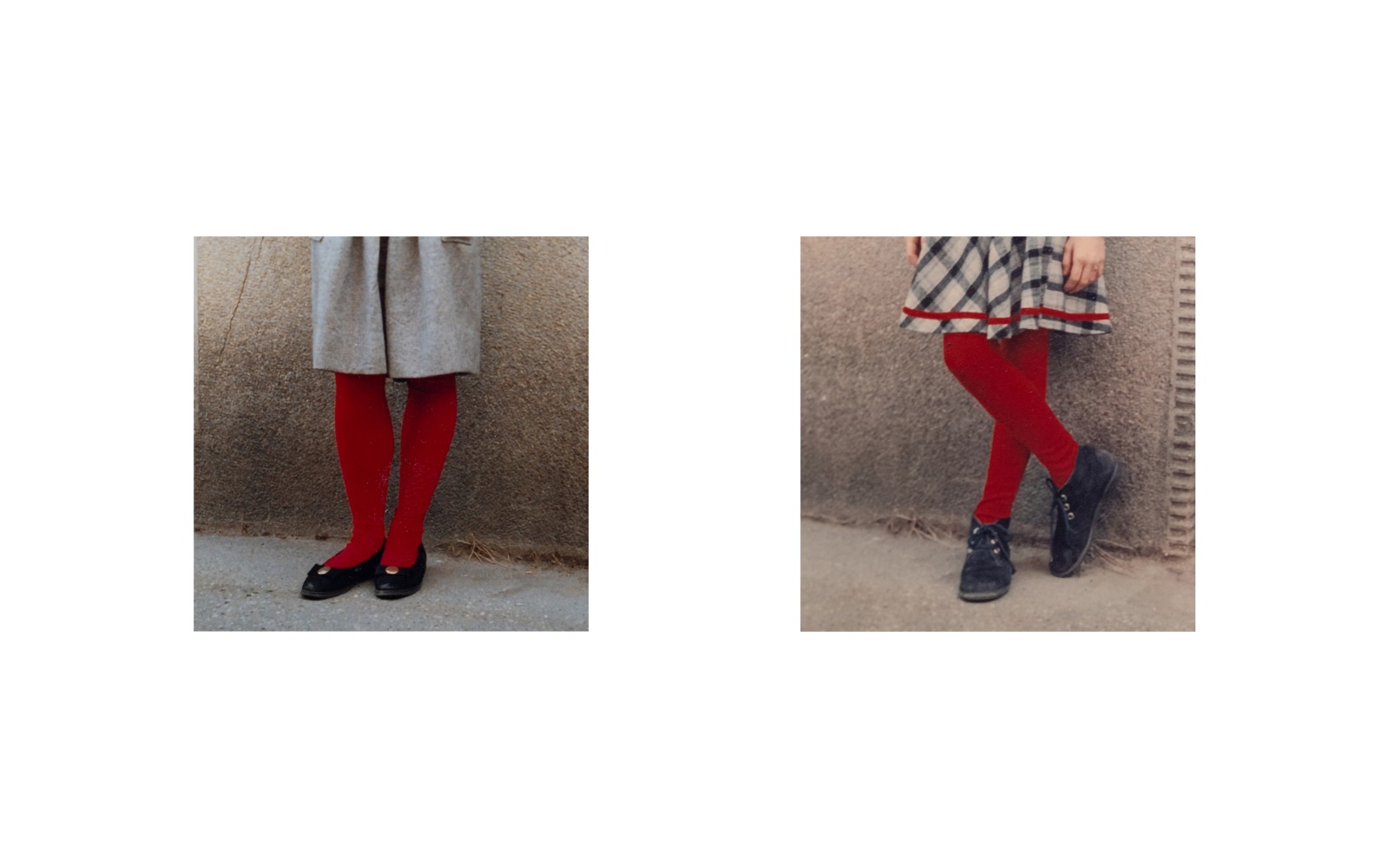
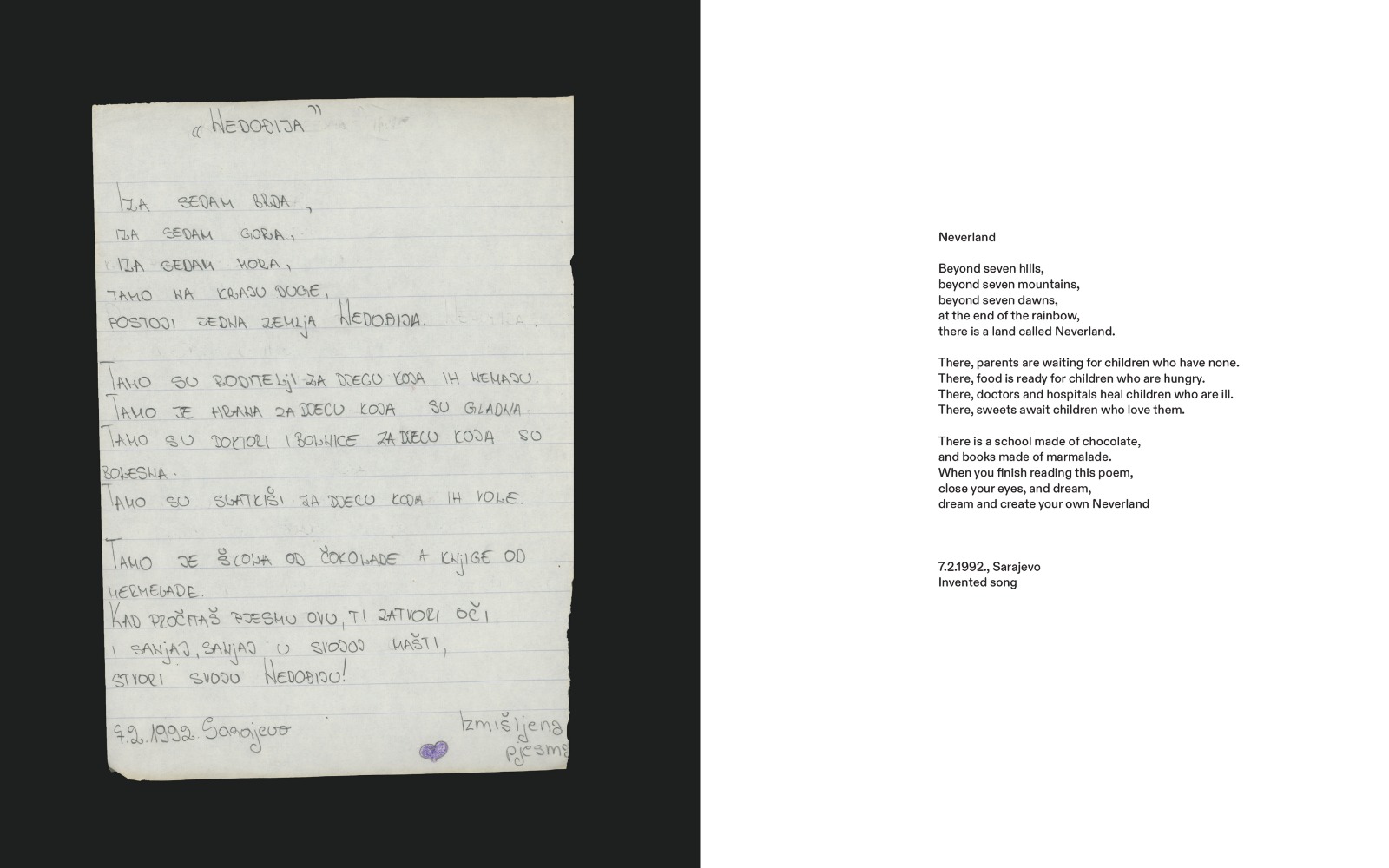
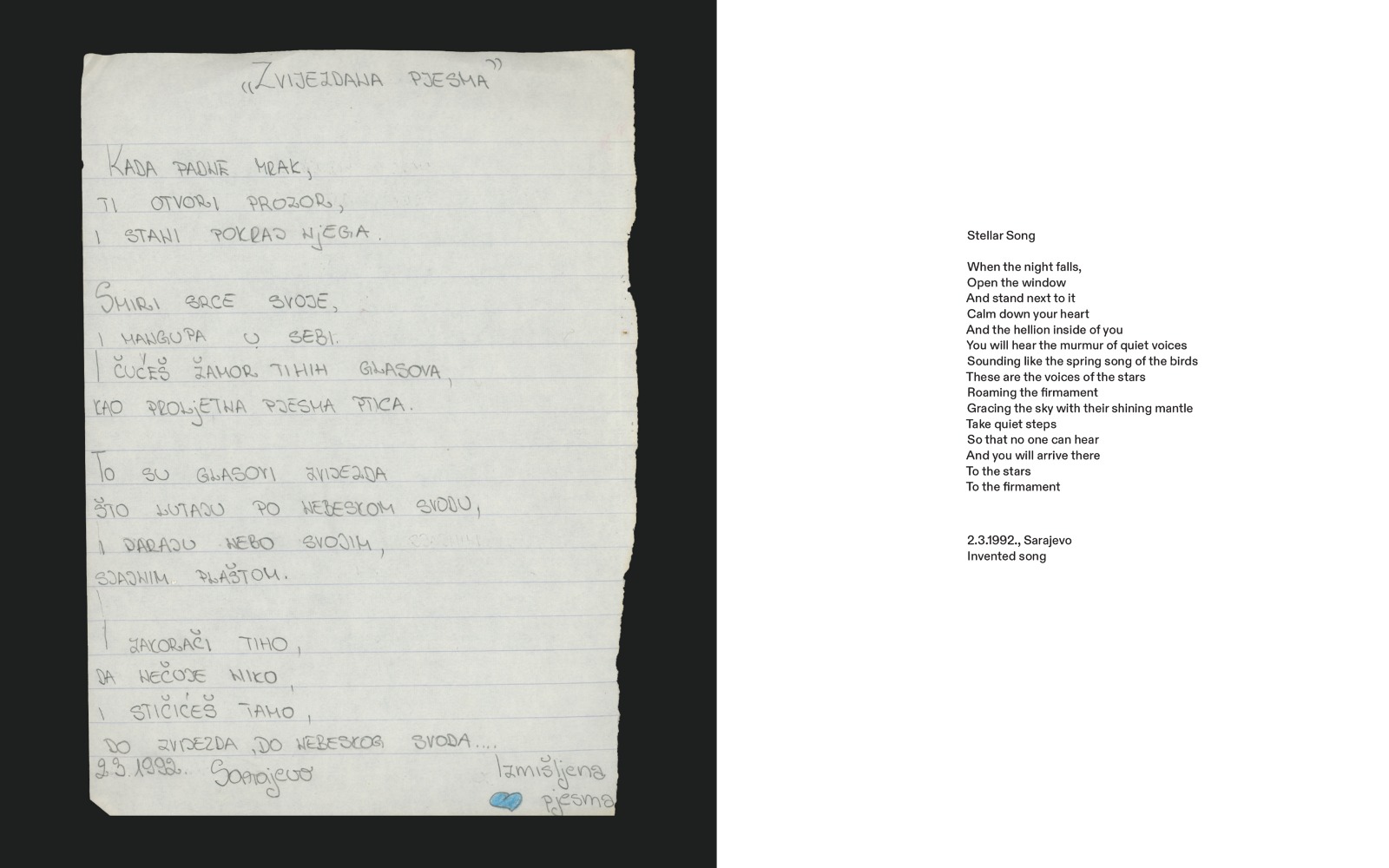
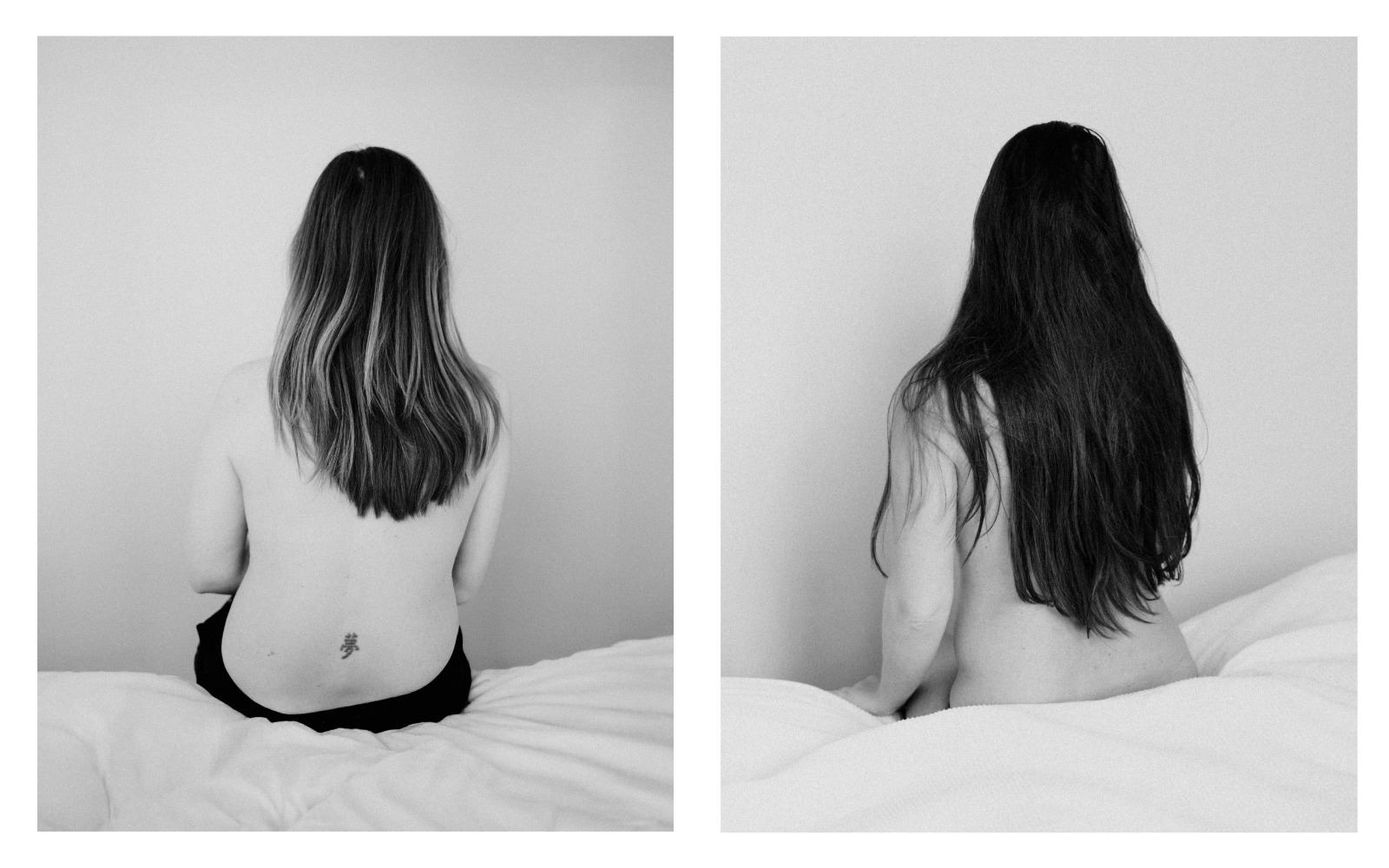
There are no photographs from the year my sisters, eight and ten at the time, fled Sarajevo at the beginning of the Bosnian War. What remains is a diary, written by my eldest sister. She wrote throughout their displacement, and her writing became the only testimony in our family archive that speaks of a time I did not witness but which I have come to know through her words and the stories passed down within our family – a time that has deeply impacted the course of our lives and continues to shape my sense of family, identity, and belonging.
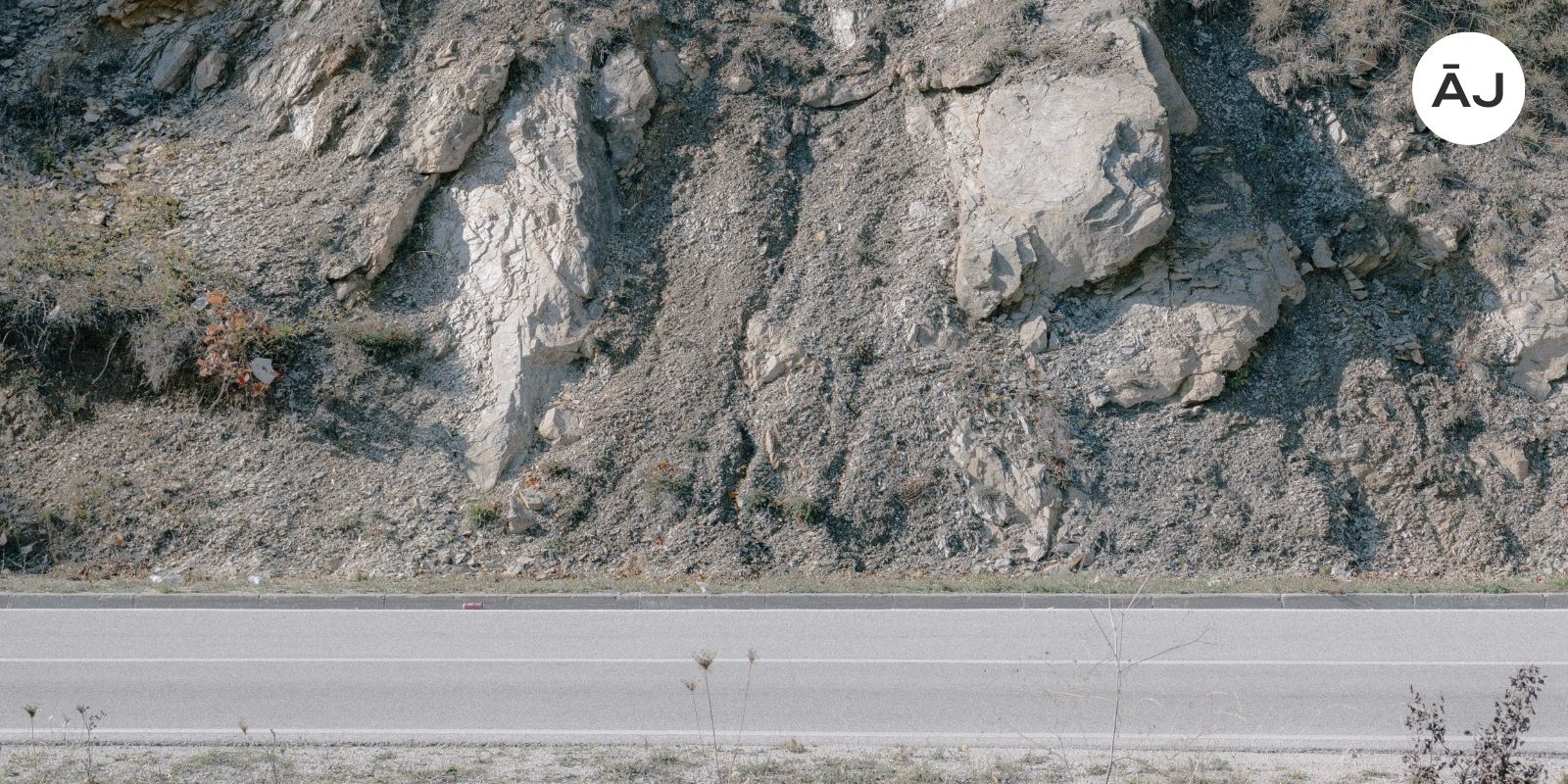
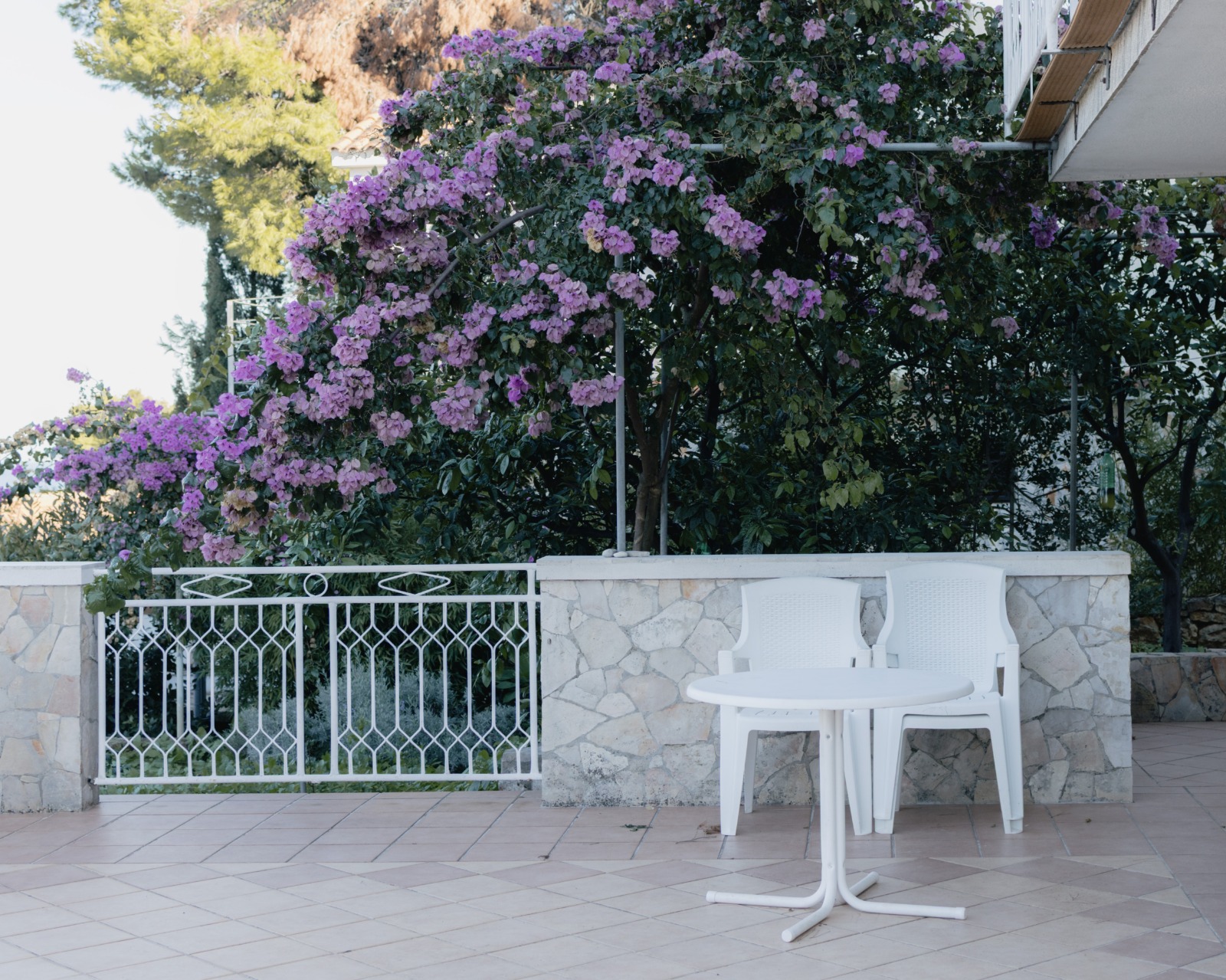
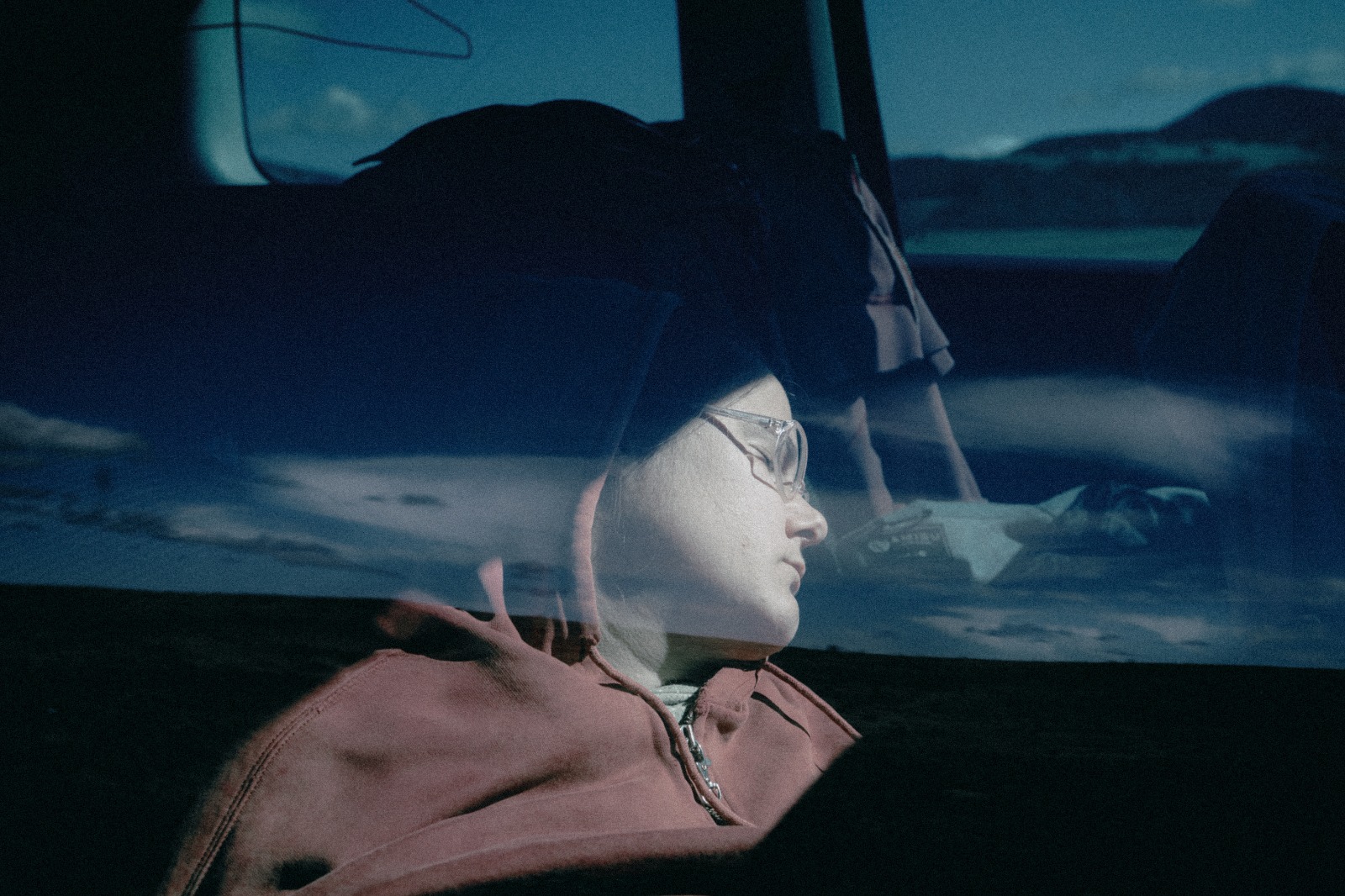
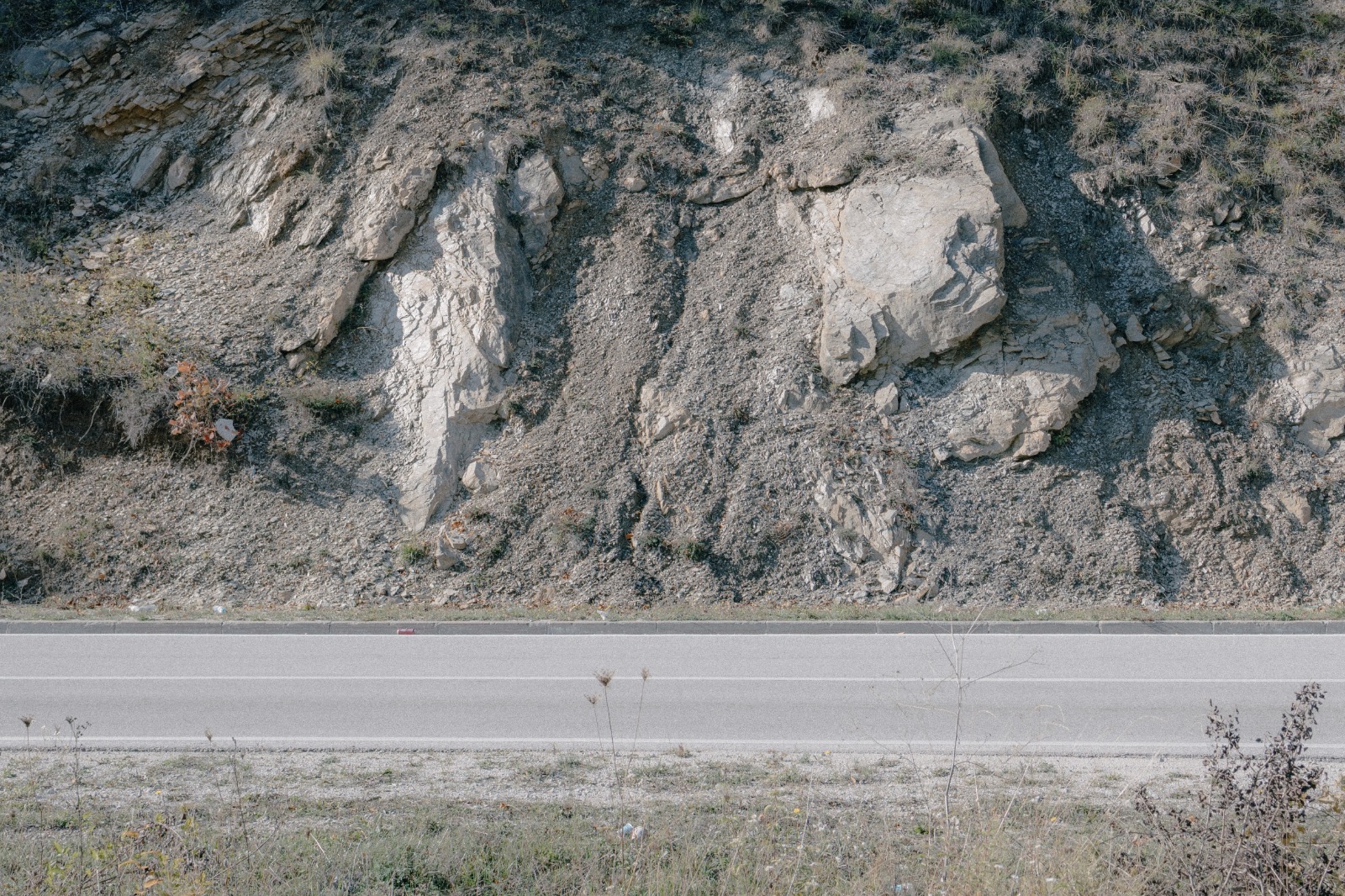
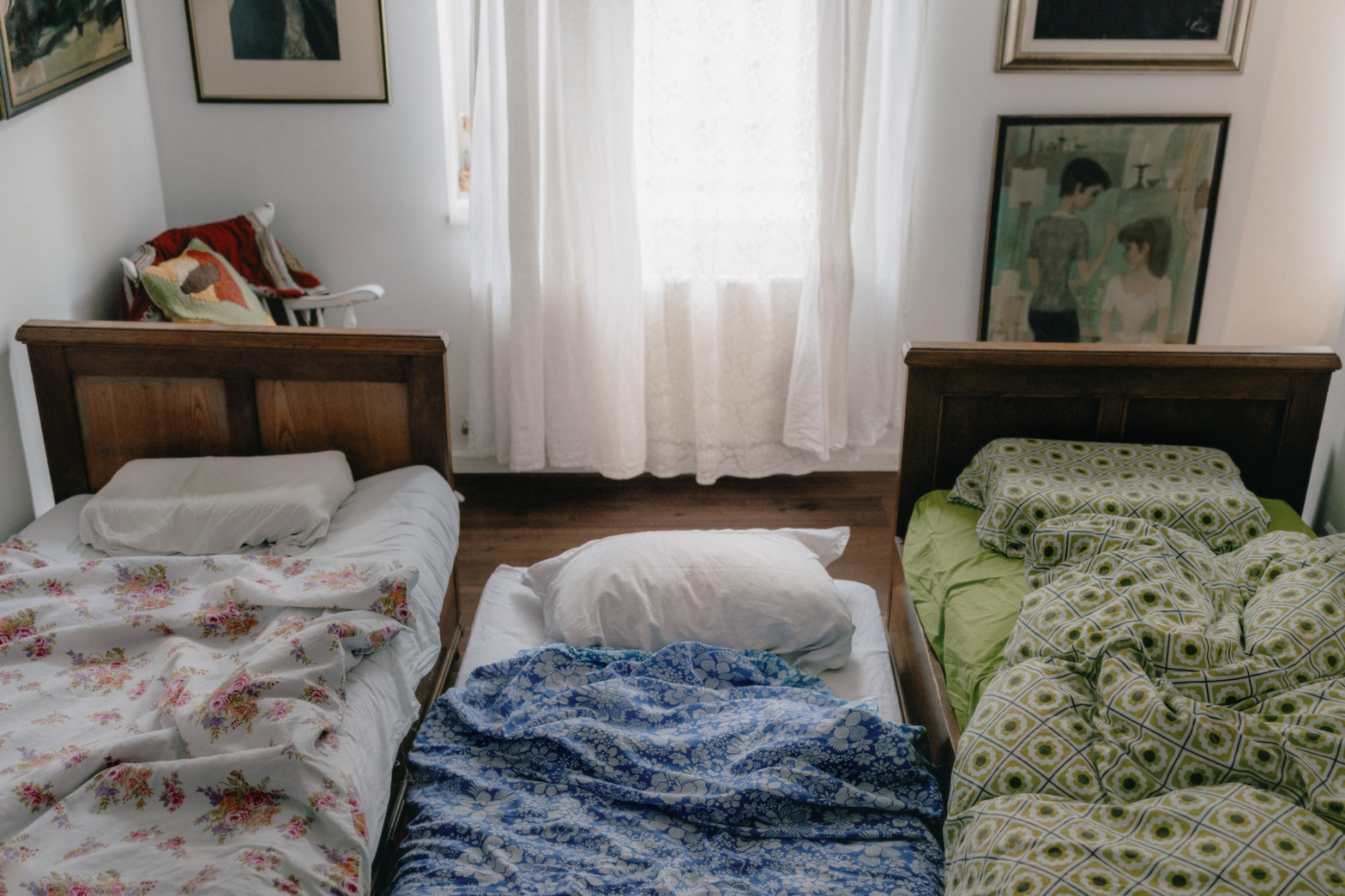
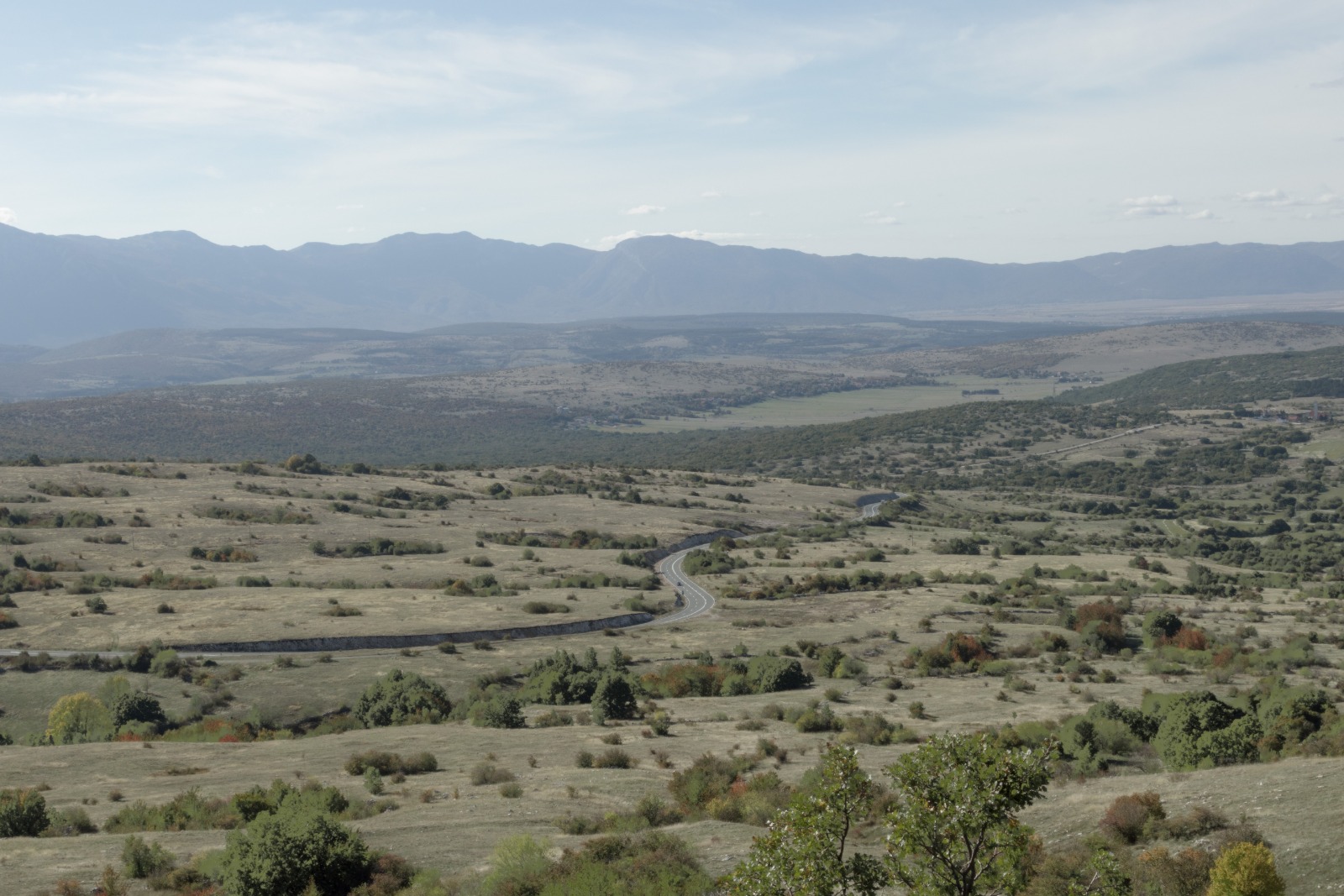
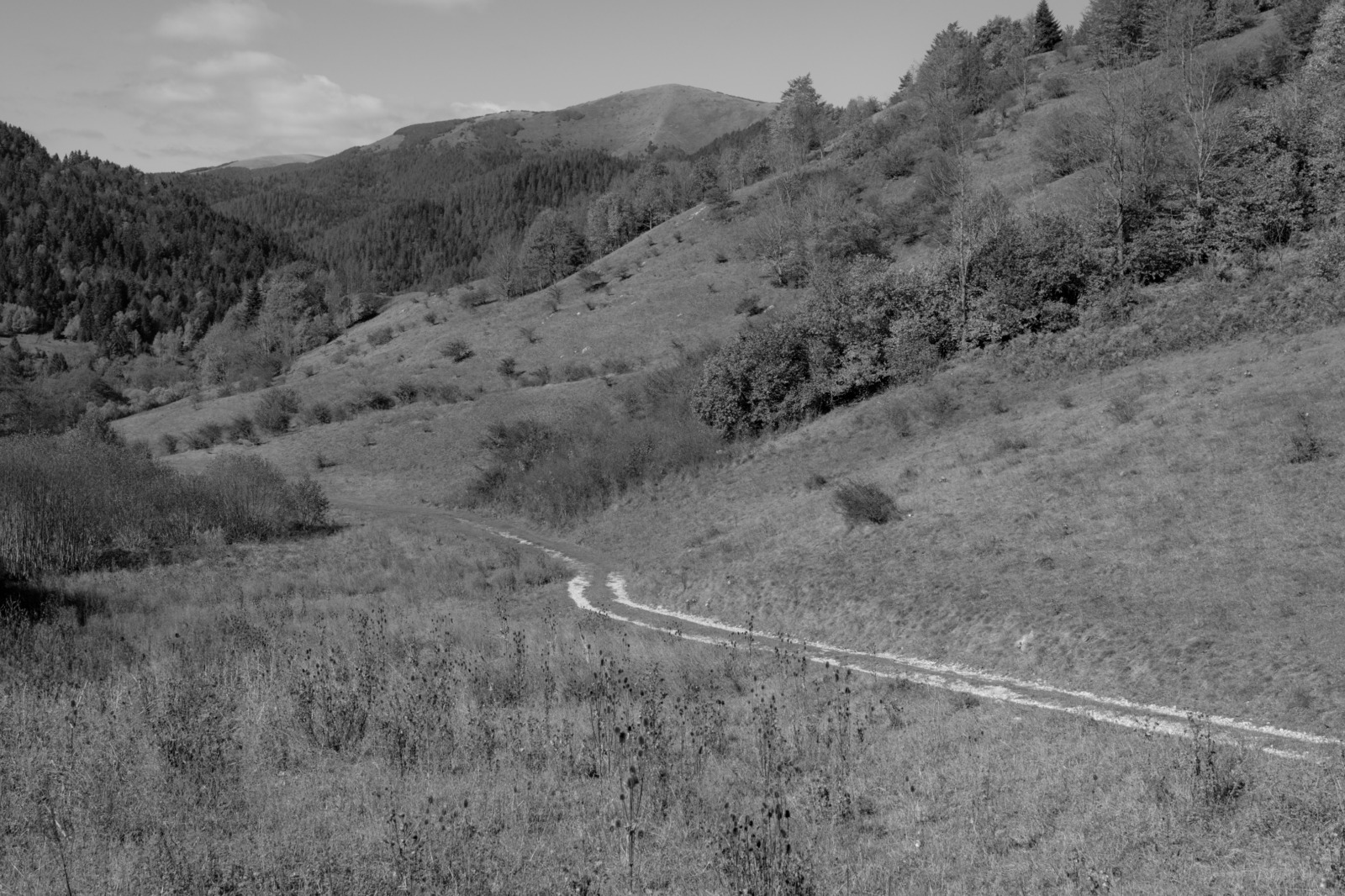
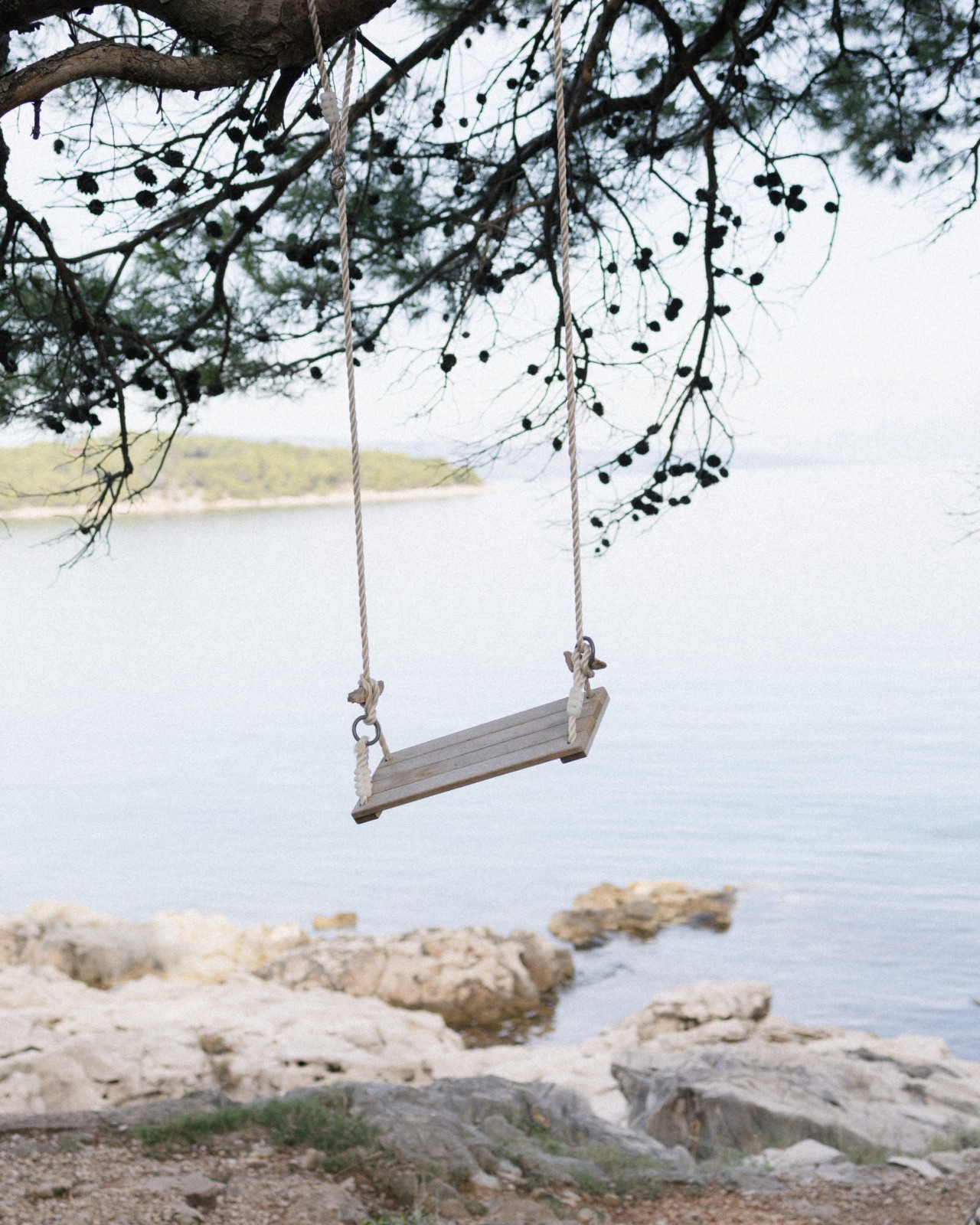
The diary covers a period from spring 1992 to winter 1993, during which they moved through several temporary homes across Croatia before eventually settling in Zagreb. In Dear Orchid, I revisit these places with my other sister and our father. Using the diary as a guide, we retraced their journey from Sarajevo to Hvar and Jelsa, finally settling in Zagreb. We revisited landscapes that carried the memory of their displacement. This journey formed the foundation of Dear Orchid, a body of work comprising a series of photographs, an 18-minute film and a publication.
This act of return – personal, political, and embodied – asks how the postwar generation might carry its inheritance with care and responsibility. Engaging with the archive means engaging with history not as the past, but as an active structure transmitted and embedded in the present and carried through generations of sisterhood. Like grief, the archive demands to be held, as something unfinished, unresolved, and still urgently alive.
Utilizziamo i cookie per essere sicuri che tu possa avere la migliore esperienza sul nostro sito. Se continui ad utilizzare questo sito noi assumiamo che tu ne sia felice.