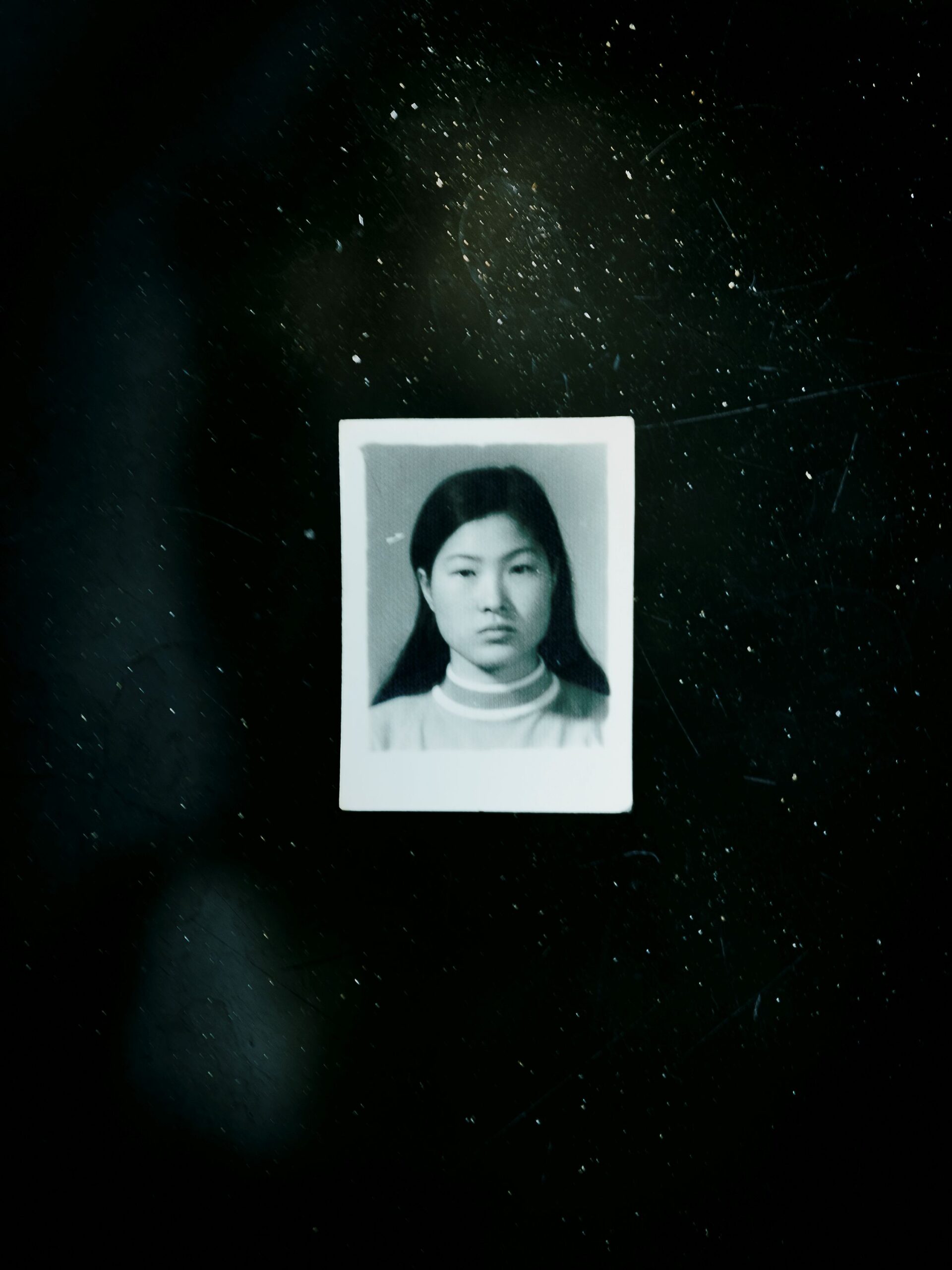
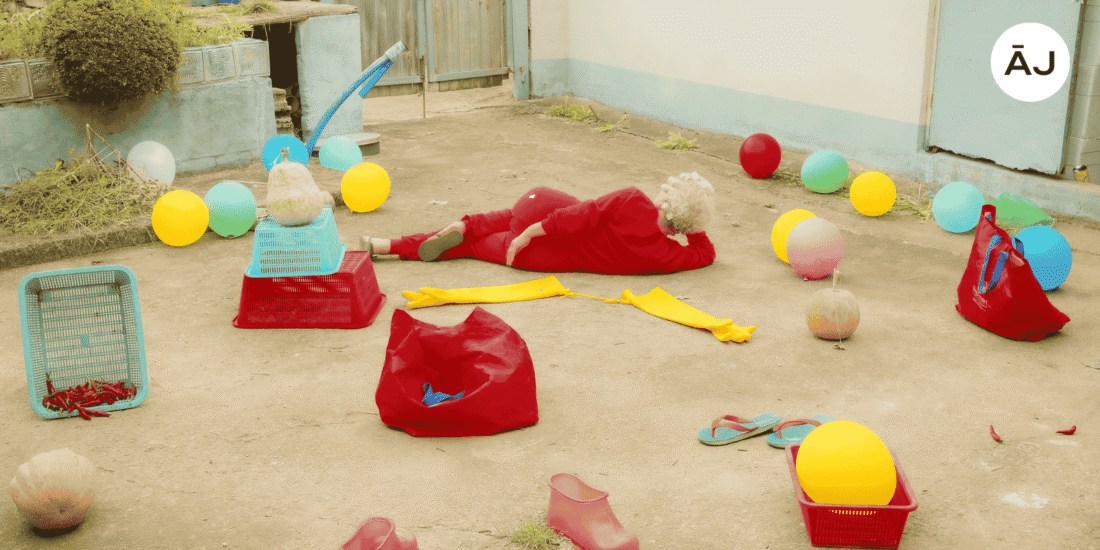
“Mom, if reincarnation exists, what would you want to be in your next life?”
“No, I don’t want to be reborn.”
In the early 1970s, Korea was still dominated by conservative Confucian values, and it was rare for women to have careers. Marriage and becoming a housewife were considered the norm. In an era when three generations often lived together, my mother had to take care of not only my grandparents but also my younger uncles and aunts, as well as my older sister and me, while managing all the household chores.
Korean women of that time silently endured the everyday discrimination and domestic violence that were ingrained in society. They lived not for their own lives but as someone’s wife and someone’s mother.
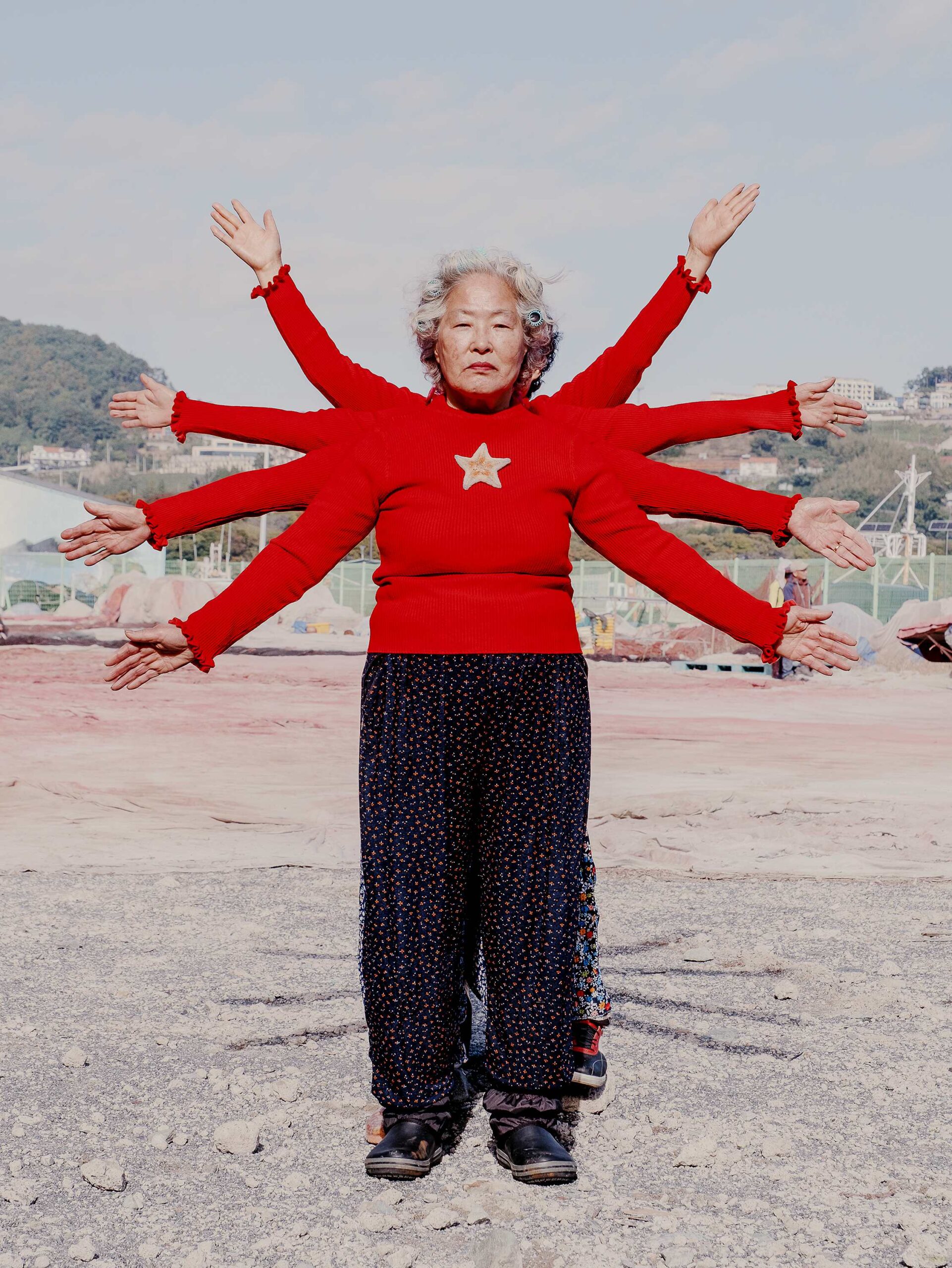
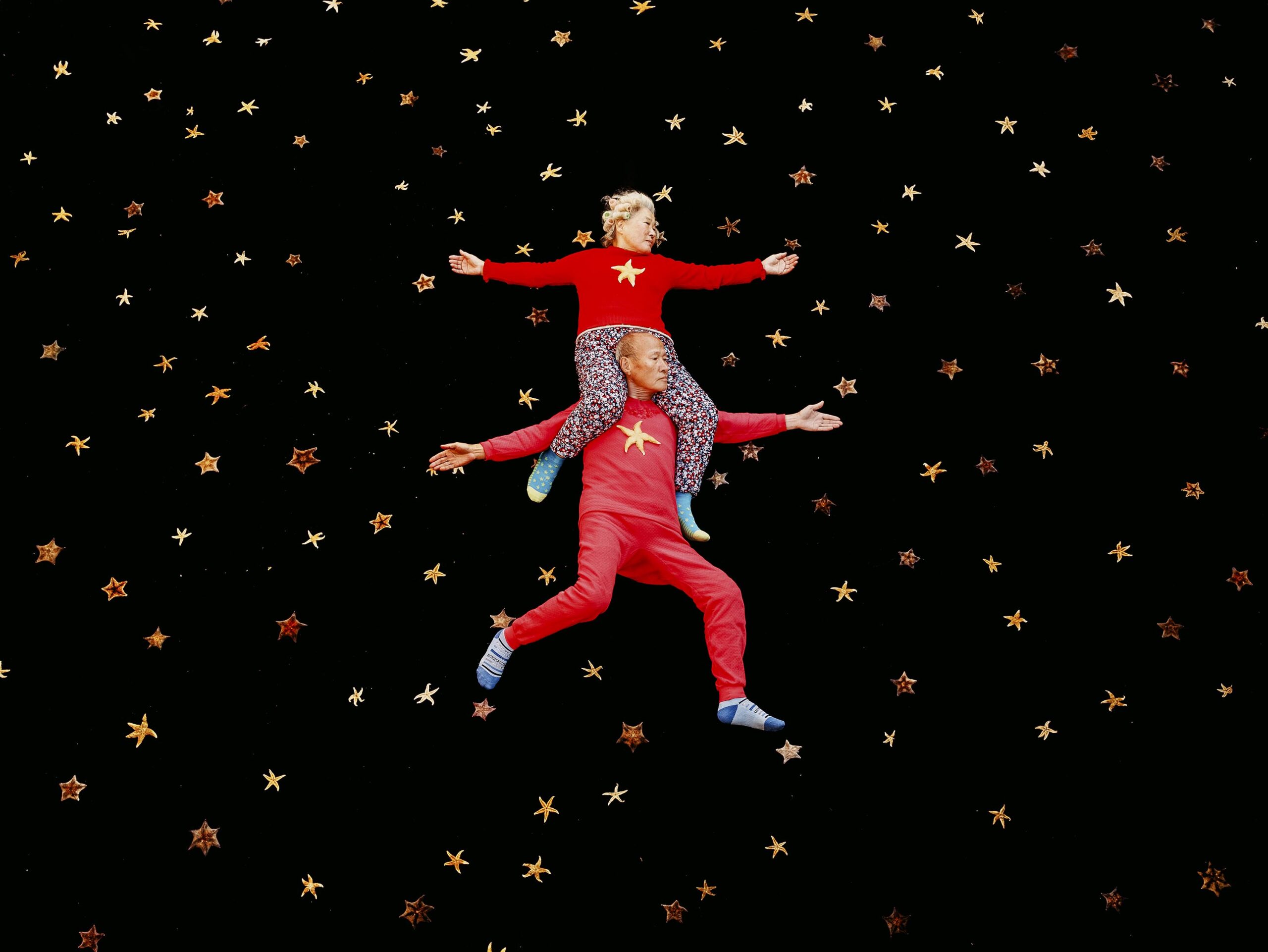
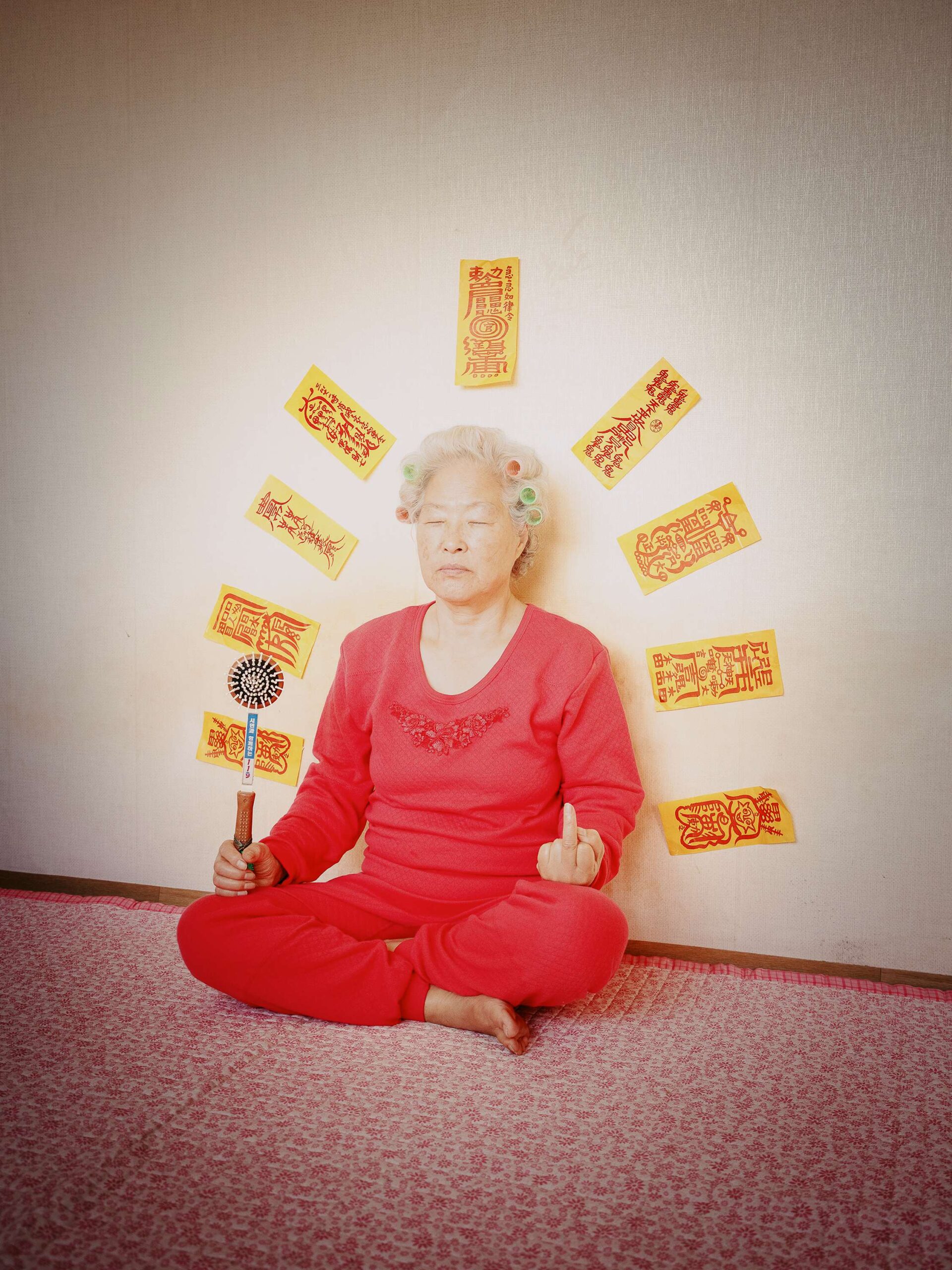
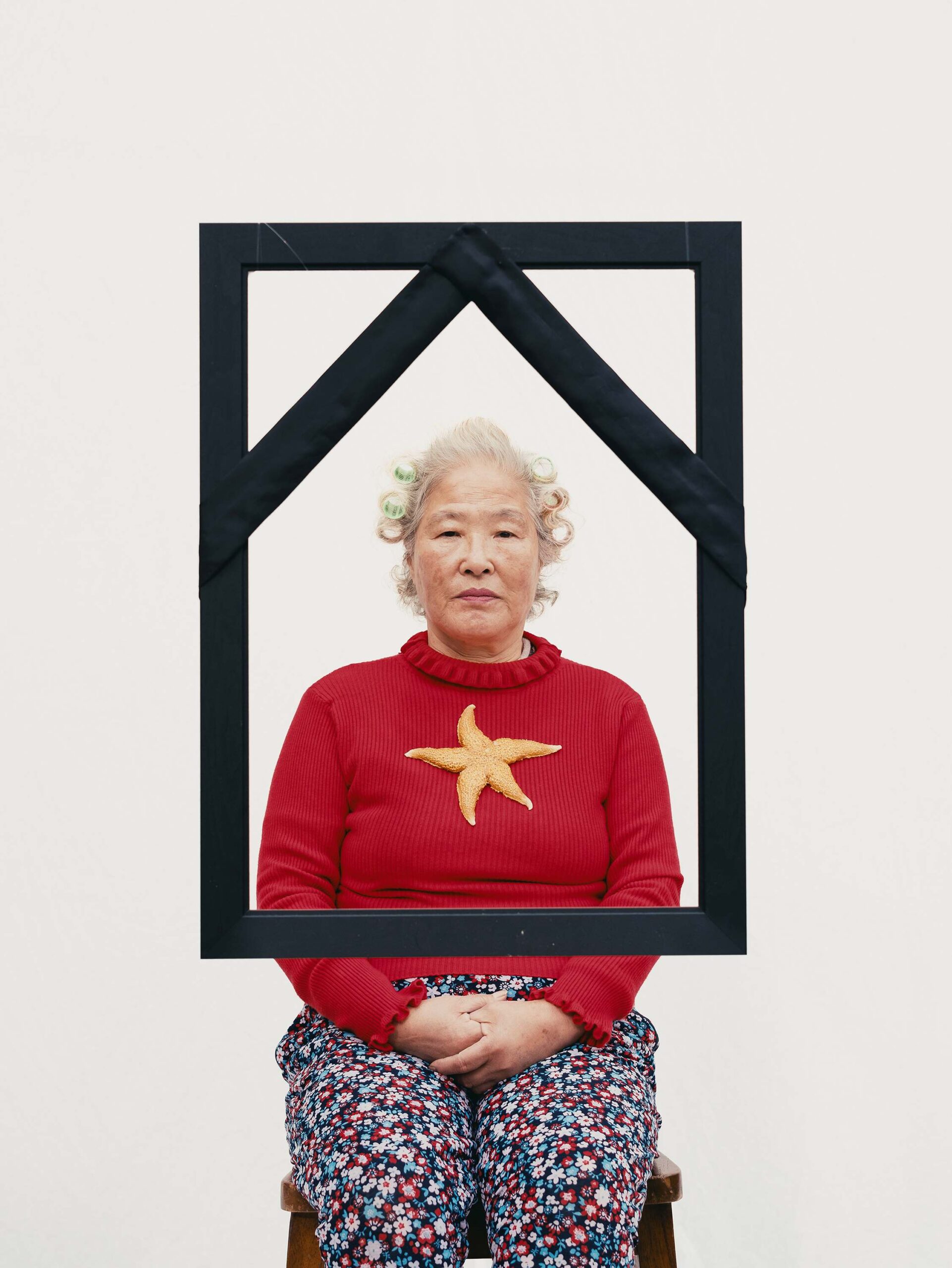
In Buddhism, it is said that one can attain Nirvana by shedding all karma and escaping the cycle of reincarnation. Growing up watching my mother’s life, I sincerely hope, in her next life, she could live happier—or perhaps, attain Nirvana.
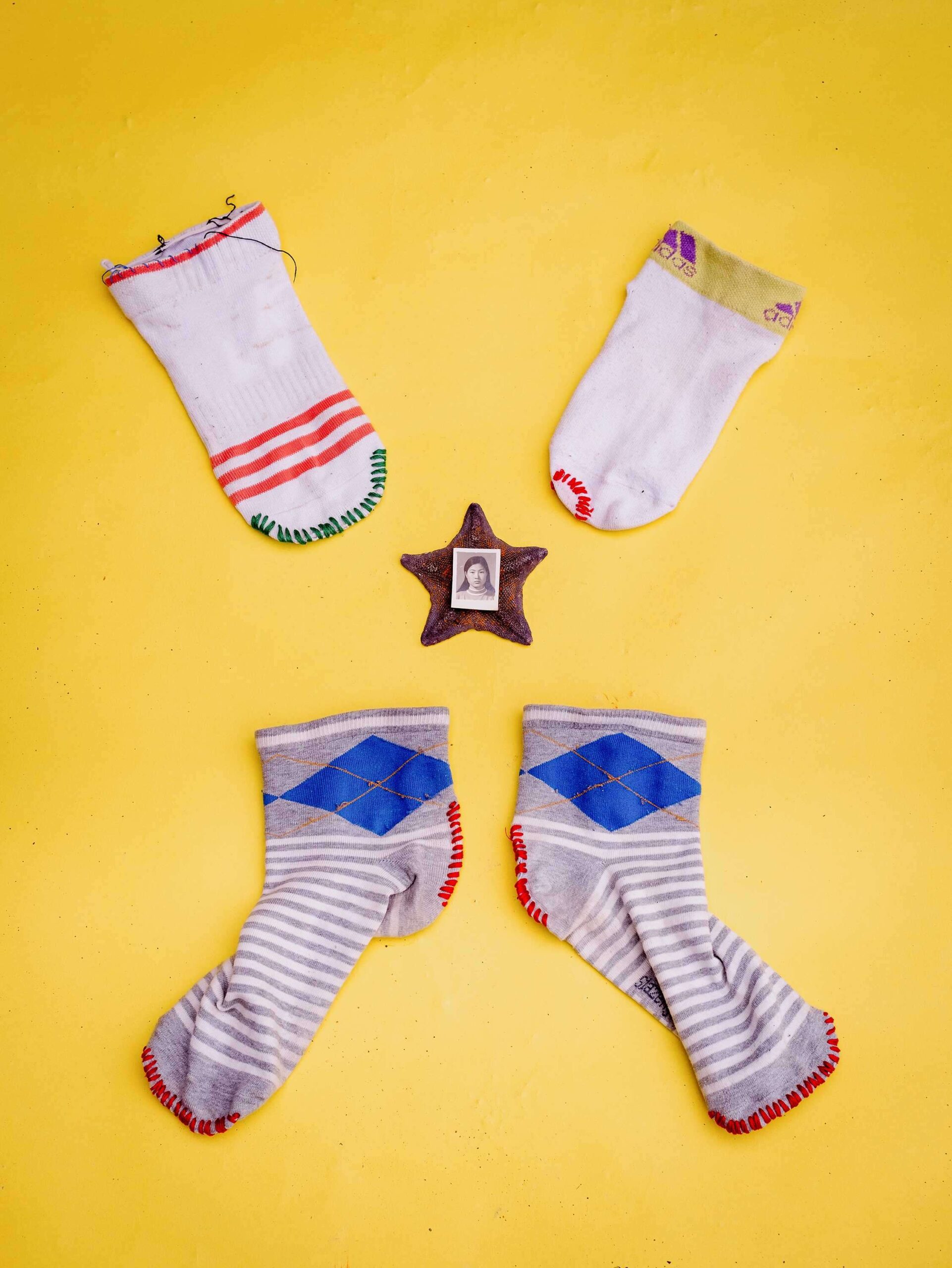
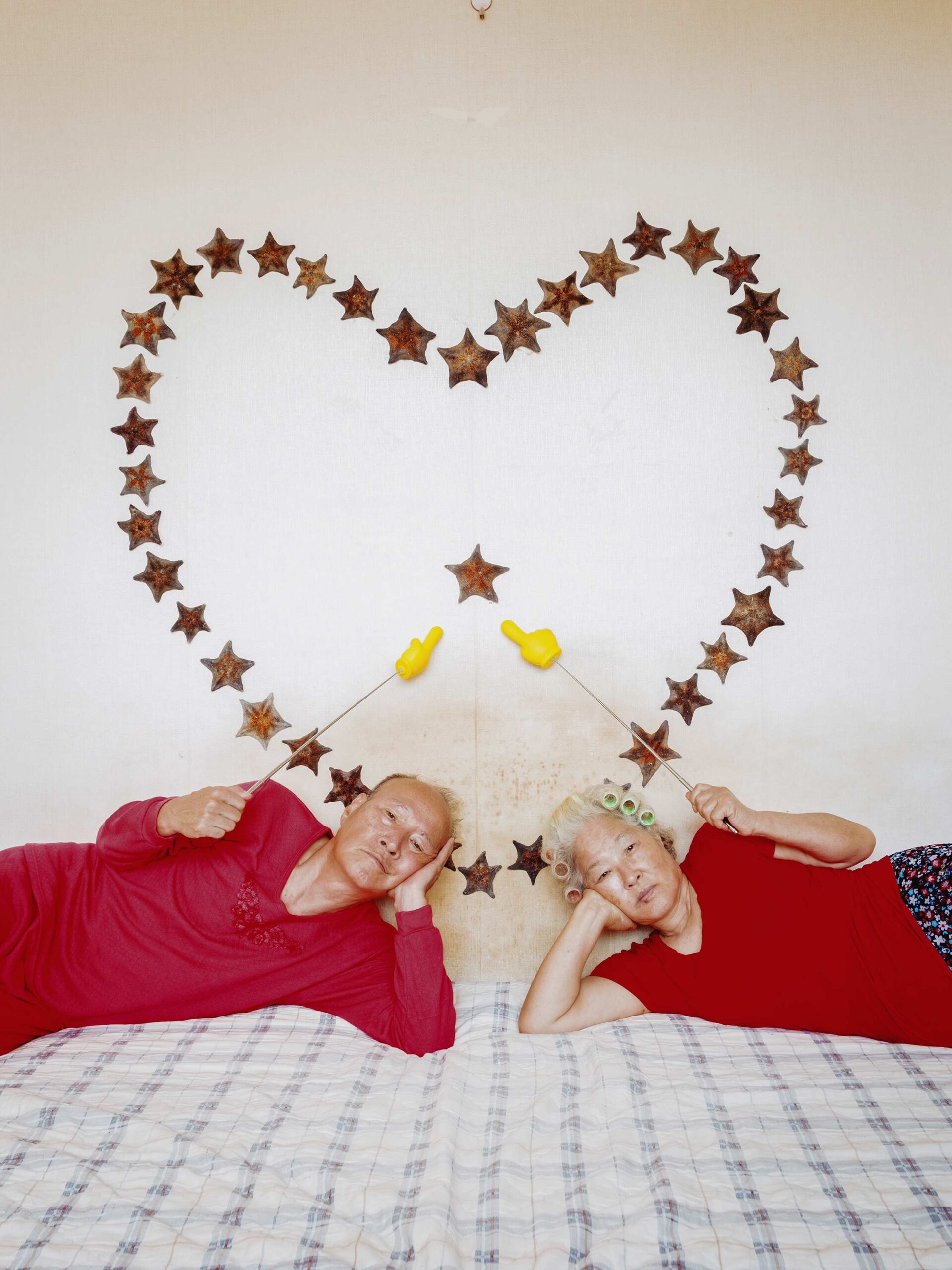
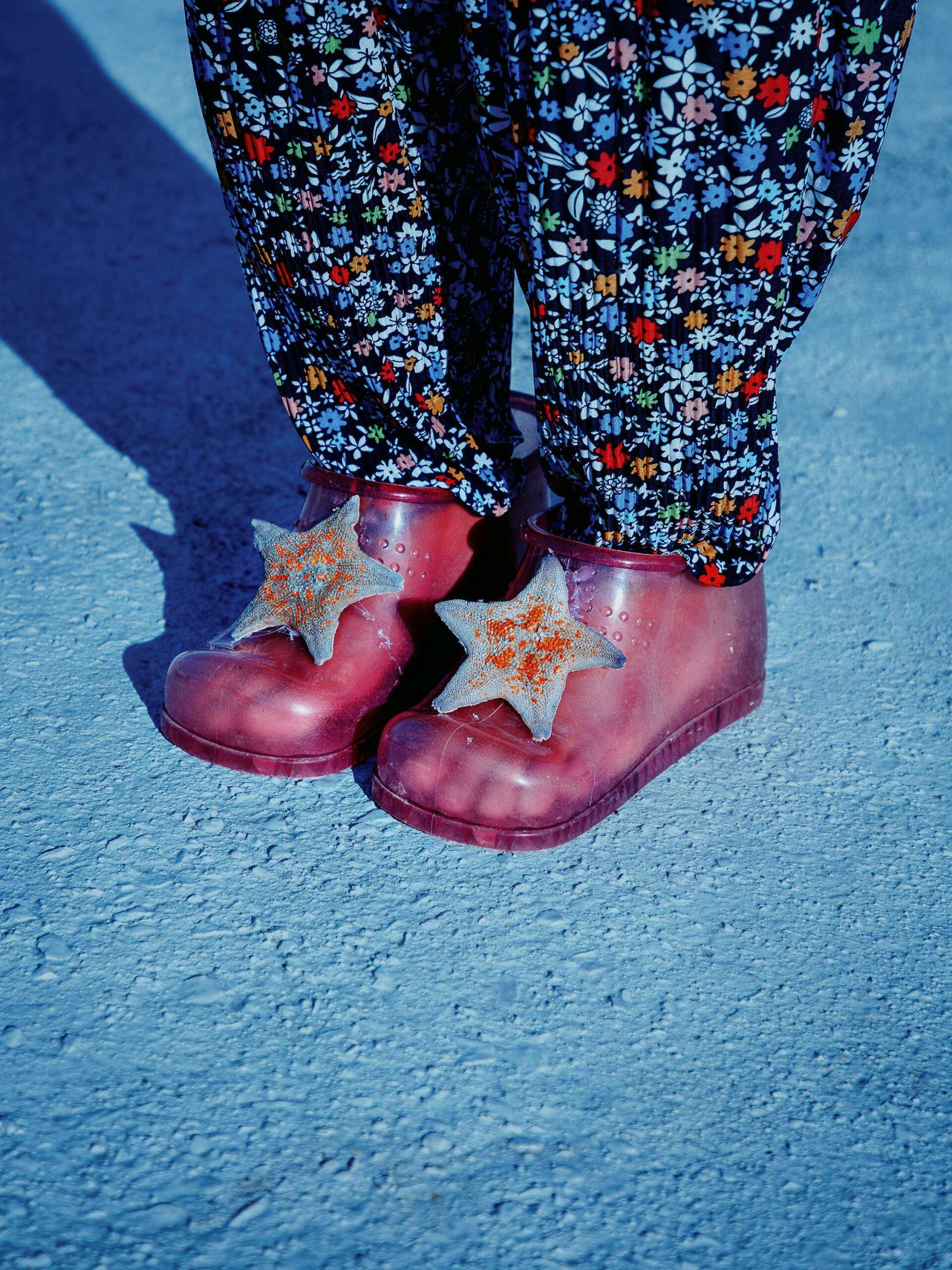
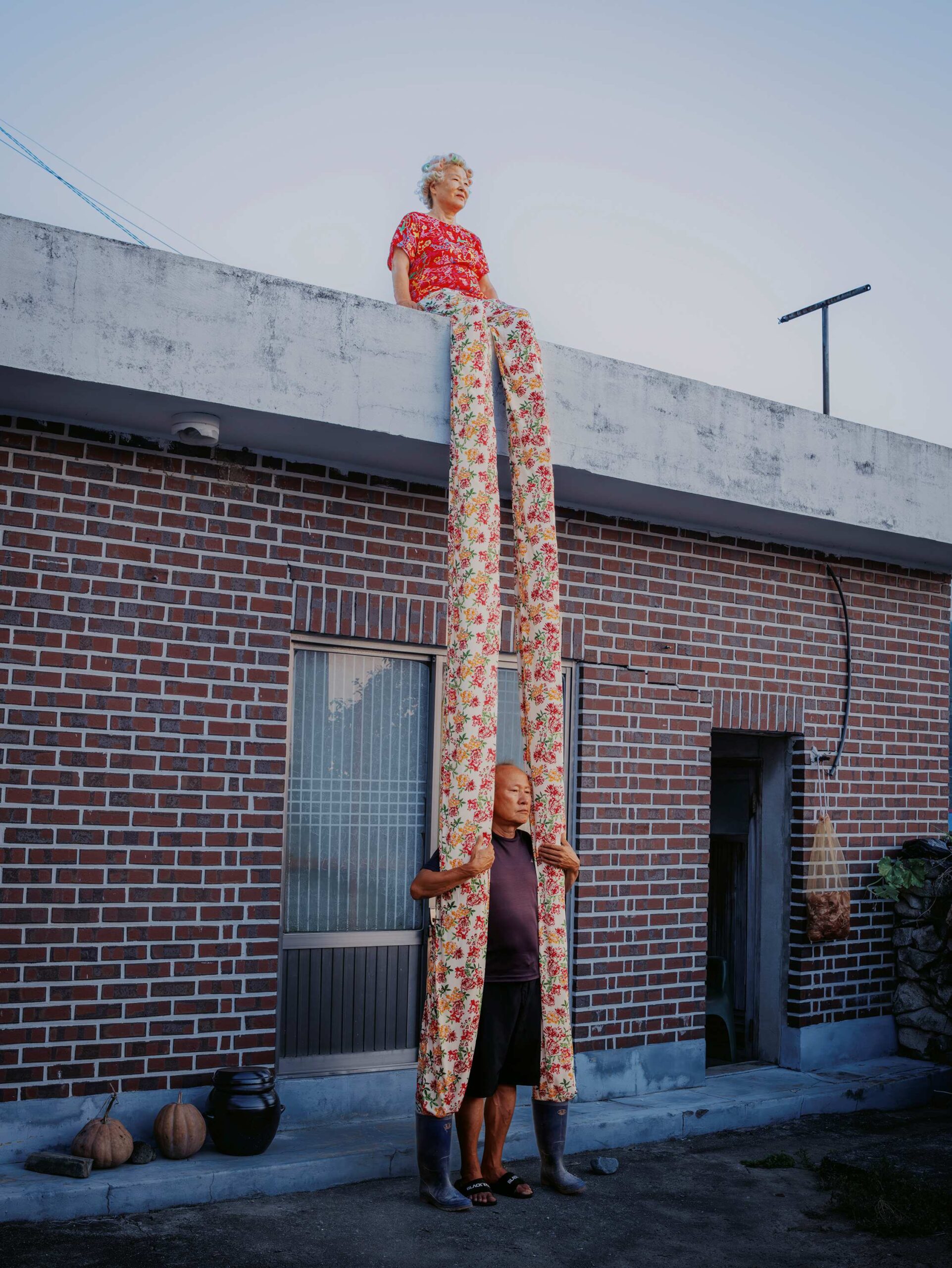
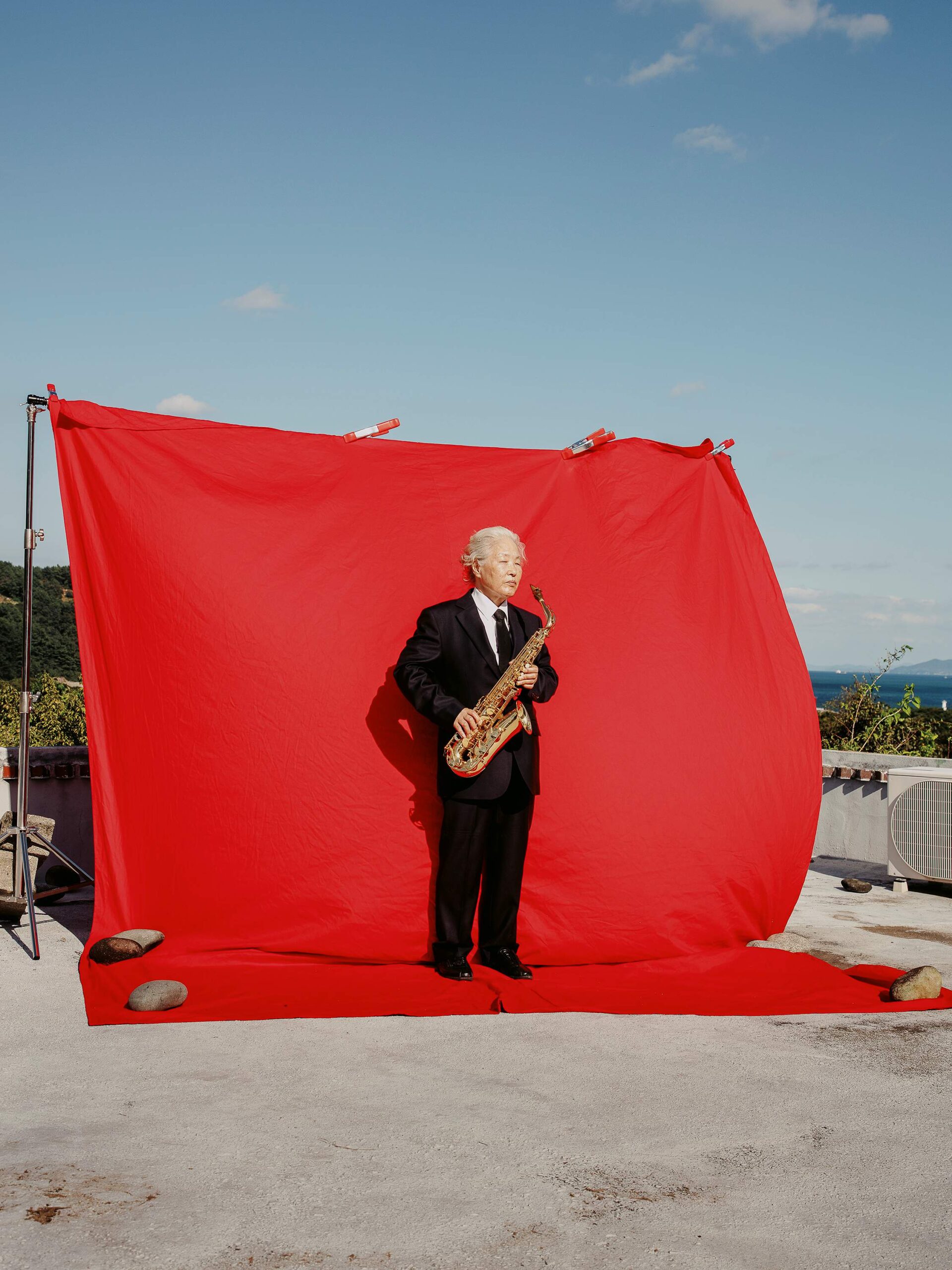
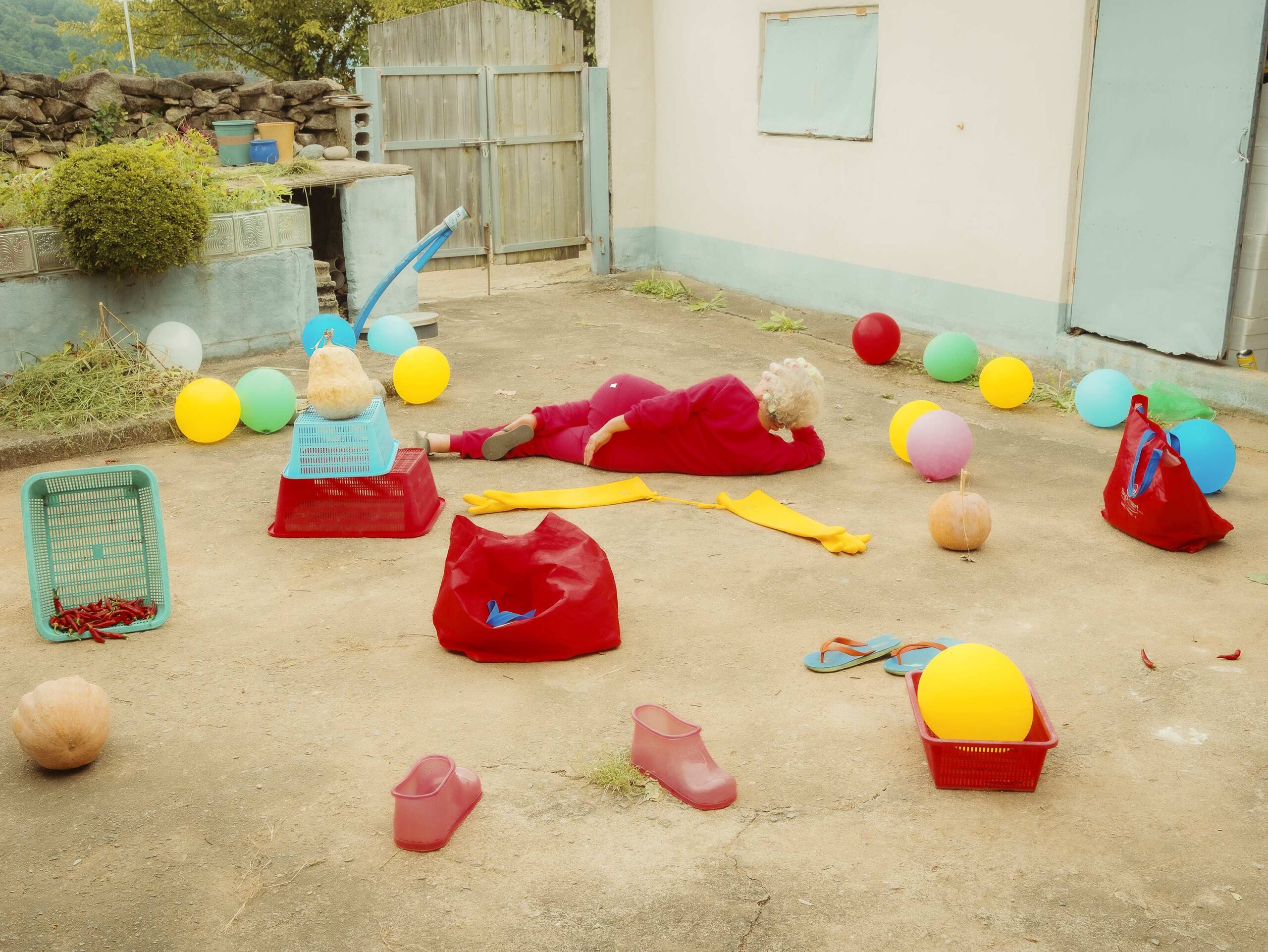
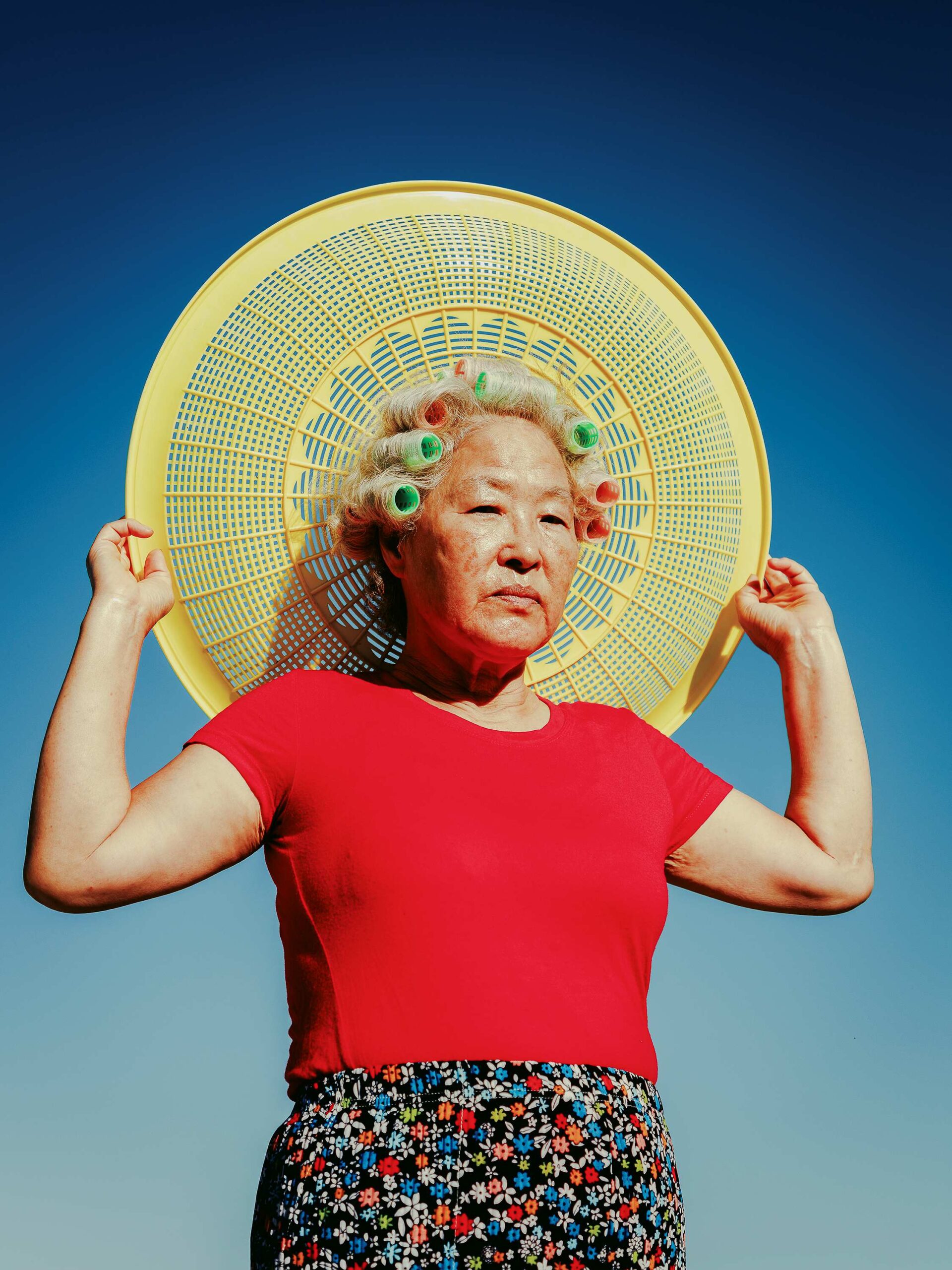
This ongoing project narrates the struggles and strength of women through personal memories in the traditional Korean society of the time. They were strong and full of good humor, never losing their sense of optimism. Through this project, I too wanted to shine a positive light on their difficult lives — through wit and humor, just as they themselves did.
Utilizziamo i cookie per essere sicuri che tu possa avere la migliore esperienza sul nostro sito. Se continui ad utilizzare questo sito noi assumiamo che tu ne sia felice.